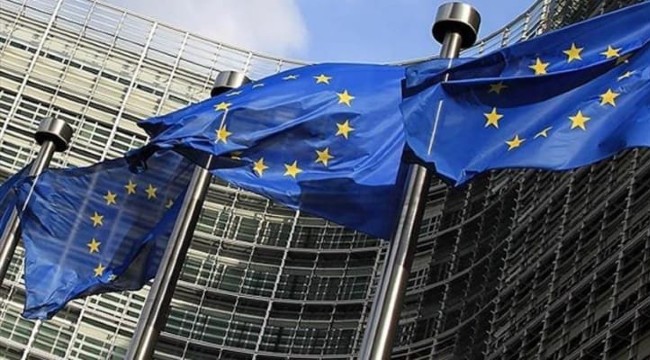
The European Commission’s recent decision to ease Schengen visa procedures for Turkish citizens has been met with cautious optimism by Turkey’s business community. While acknowledged as a step in the right direction, industry representatives stress that the move does not go far enough to resolve the deeper structural barriers that continue to impede trade and mobility between Turkey and the EU.
Visa Issues: A Structural Barrier to Trade


At a recent general assembly meeting held by a leading economic development organization, participants emphasized that visa restrictions remain a major obstacle, especially for businesspeople, despite Turkey’s longstanding economic integration with the EU. Visa difficulties are no longer seen as merely a bureaucratic hassle but as a serious limitation on competitiveness and trade.
Customs Union No Longer Fits Today’s Economic Reality
One speaker underscored that Turkey’s Customs Union agreement with the EU, which came into force in 1996, no longer meets today’s economic demands. While the agreement was a groundbreaking model at the time, the current structure leaves Turkey outside decision-making mechanisms, even though it is bound by EU trade rules. This creates imbalances—particularly in the context of free trade agreements (FTAs). Turkey is unable to benefit from the EU’s FTAs with 55 countries, yet it must allow goods from those countries to enter its market duty-free. This situation disadvantages Turkish exporters in global markets and puts them at a competitive loss.
Surge in Visa Applications and Rejections
Another key concern raised was the rise in Schengen visa applications and rejections. In 2009, Turkey recorded about 550,000 Schengen visa applications. By 2024, that number had more than doubled to 1.1 million, with rejections jumping from 41,000 to 171,000. The average rejection rate rose from 6% to 15%. The application process has also become more complicated, with difficulties in securing appointments, long processing times, and excessive documentation requirements—all of which delay or derail important business activities like trade fairs, investment meetings, and partnership talks.
Economic Disparity in Visa Access
Business representatives noted that despite Turkey’s deep trade ties with the EU, it is treated more restrictively than many countries with far less economic integration. Turkey has a larger trade volume with the EU than nearly all nations that currently enjoy visa-free travel. Yet, Turkish businesspeople often face delays or denials that directly impact economic performance.
Multi-Entry Visa Reform Is Positive, But Not Enough
The EU’s July 15 decision to ease the issuance of multi-entry visas was seen as a positive, albeit limited, development. It was emphasized that more targeted and coordinated efforts are still needed—especially for groups like businesspeople who frequently travel to the EU for commercial purposes. Business leaders argued that visa policy should be treated as a structural trade issue, not just a matter of mobility, and that the private sector must be actively involved in shaping future negotiations to ensure real-world needs are addressed.
Drivers Excluded from Eased Visa Rules
Concerns were also raised regarding the exclusion of commercial drivers from the new visa facilitation rules. Due to security concerns, drivers are not benefiting from the multi-entry visa system, despite their central role in the movement of goods. The requirement to remain outside the Schengen zone for 90 days within every 180-day period continues to slow down logistics and disrupt supply chains.
The Hidden Cost of Schengen Visas
It was also revealed that Turkish citizens paid around 105 million euros in Schengen visa application fees in the past year alone—a figure that excludes extra costs like notarizations, translations, travel expenses, and expedited services. Despite a slight decline in the overall rejection rate, the process is still seen as expensive, uncertain, and burdensome.
The Only EU Candidate Without Visa-Free Access
Speakers stressed that Turkey remains the only EU candidate country without visa-free access to the Schengen area. The visa liberalization dialogue that began in 2013 remains incomplete, with six of the 72 required benchmarks still unmet. Until those conditions are fulfilled, full visa liberalization appears unlikely.
Businesspeople Are Not Asylum Risks
Concerns were also voiced about the perception of Turkish businesspeople as potential asylum seekers, which further complicates visa applications. It was argued that this view undermines trust and cooperation, and that removing such prejudices would benefit both sides economically.
Road Transport Quotas Add to Trade Bottlenecks
On the logistics front, restrictive road transport quotas were identified as another bottleneck in EU-Turkey trade. Road transport remains a vital component of timely and efficient delivery, but current quota limitations slow down deliveries and increase costs. Addressing this issue was presented as a key step toward enhancing trade efficiency.
Conclusion: Reform Needed Beyond Symbolic Steps
In summary, while the EU’s recent efforts to simplify visa procedures for Turkish citizens have been met with cautious approval, business leaders believe much more needs to be done. Without comprehensive reform of visa policies and customs arrangements, the full potential of Turkey-EU economic cooperation will remain out of reach.