


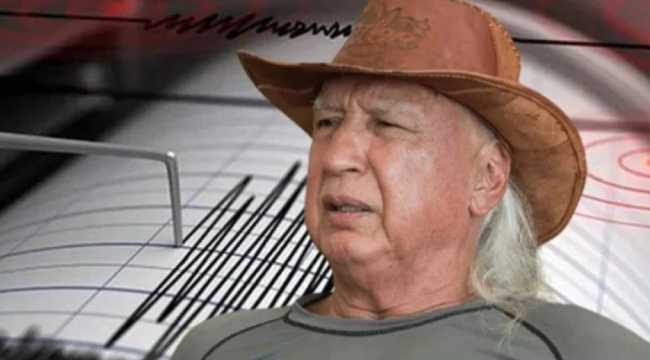
Experts continue to issue warnings about a possible earthquake in Istanbul. Geologist Prof. Dr. Şener Üşümezsoy has revealed the most solid and risky areas in terms of the city’s ground structure.
Experts are particularly focusing on the soil composition of Istanbul, emphasizing that a major earthquake with a magnitude of 7.0 or higher could cause severe destruction, particularly in areas with weak soil.


While concerns about a potential earthquake in Istanbul persist, Prof. Dr. Şener Üşümezsoy has highlighted the city’s most stable and risky areas in terms of its ground structure.
Most Solid Areas in Istanbul
In a broadcast where he evaluated Istanbul’s soil structure, Prof. Dr. Üşümezsoy mentioned that areas like Aydos, Çamlıca, and parts of Kadıköy were solid. He also pointed out that the back parts of Maltepe and Kartal are quite resilient. However, he warned that some parts of the Bostancı coastline have weak soil, while the higher areas are solid, which has led people to move there, leaving no green spaces.
Most Risky Areas for Earthquake
Prof. Dr. Üşümezsoy identified Bakırköy as one of the districts with the most risky soil. He explained: “The coastline of the Marmara Sea forms this type of soil. The area from Topkapı to Yenikapı, Zeytinburnu, and Ataköy is risky. New developments have been made along this line stretching up to Çekmece. The northern parts of Esenyurt, between Bahçeşehir and Sazlıbosna, are also at significant risk. If a 6.0 magnitude earthquake occurs here, the structures in Silivri and Kumburgaz will be highly vulnerable. Buildings that are not resistant to soil displacement could slide downwards.”
Landslide Risk is a Major Threat
Prof. Dr. Üşümezsoy also emphasized the landslide risk in the northern parts of Esenyurt and along the Sazlıbosna line, stating: “In these areas, landslides can leave the ground beneath buildings empty. In areas with slippery soil, piles are driven to prevent buildings from sliding. However, the risk of these structures sliding downward in a major earthquake is quite high.”

