


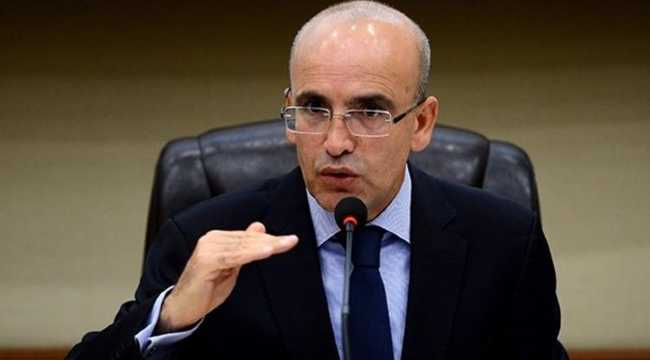
Disinflation Gains Momentum: Turkish Finance Minister Mehmet Şimşek delivered a comprehensive speech at the 4th Ziraat Bank Agricultural Ecosystem Meeting held at the Haliç Congress Center, emphasizing that the government’s top priority under the Medium-Term Program (OVP) is to combat inflation and bring it down to permanently low single digits.
Şimşek claimed significant progress has been made, with the country undergoing a steady disinflationary process over the past year. As of May, annual inflation had fallen to its lowest level in 3.5 years. Core goods inflation dropped to around 20%, while headline inflation stands near 35%. Şimşek expressed confidence that inflation will end the year in the low 20% range, with many goods showing price increases in the low double digits.


Improved Expectations and Broader Anti-Inflation Measures
The minister noted a visible improvement in inflation expectations among households, crediting the credibility of the government’s economic roadmap. He stressed that the fight against inflation extends beyond monetary and fiscal tools. For instance, increasing housing supply, especially in earthquake-affected regions, is a key measure to combat high rents — a major contributor to overall cost of living. A large-scale social housing campaign is also being rolled out as part of this broader effort.
Record Support for Agriculture and Rural Econom
Şimşek highlighted the strategic importance of the agricultural sector, especially for food security, stating that it received the largest share of sectoral support in the national budget.
Tax Cuts and Insurance for Farmers
Support for agriculture is not limited to financing. Şimşek noted that the complete removal of VAT on animal feed and fertilizer alone cost the state 115 billion TL in 2024. Furthermore, the government covers 70% of premiums for agricultural insurance under the TARSİM system. However, despite growing climate risks, only 30% of farmers currently utilize these insurance policies, prompting Şimşek to urge wider adoption.
Improved External Balances and Financial Resilience
Şimşek pointed to broader improvements in the Turkish economy, including a significantly reduced current account deficit, stronger foreign exchange reserves, and lower risk premiums. He stated that Turkey’s gross external financing needs were declining and that the country’s economic resilience to global shocks was growing. Key initiatives, such as investments in irrigation, land consolidation, and energy transformation, are also underway.
Sustainability, Transformation, and Growth
Concluding his remarks, Şimşek reaffirmed the government’s overarching goal of achieving sustainable high growth. He highlighted that recent global uncertainties and regional geopolitical tensions had temporarily impacted economic activity, but he expected positive differentiation for Turkey going forward. With ongoing structural reforms and clear leadership under President Erdoğan, Şimşek believes that Turkey’s potential will be realized. The country’s role as a major production hub across manufacturing, agriculture, and services underpins this long-term vision.

