


The Ministry of Treasury and Finance has issued a statement regarding the allegations of increasing VAT rates. The statement clarified that recent news suggesting an increase in VAT rates by shifting between lists of goods and services where VAT rates are determined were inaccurate. Here are the key points from the statement:
1. How are VAT rates determined?: VAT rates are determined by the President according to the economic and social conditions of the day within the framework of the VAT Law. Currently, three different rates are applied based on goods and services:


– Goods listed in List 1, which includes basic food items, are subject to a 1% VAT rate.
– Goods and services listed in List 2, including dining, health, education, textiles, and accommodation, are subject to a 10% VAT rate.
– Goods and services not listed in either list are subject to the general rate of 20% VAT.
2. Why was the VAT Regulation needed?: It was observed that some restaurants and cafes in the food and beverage sector, as well as pharmacies selling various products other than medicines, were exploiting the difference in rates, disrupting competitive equality.
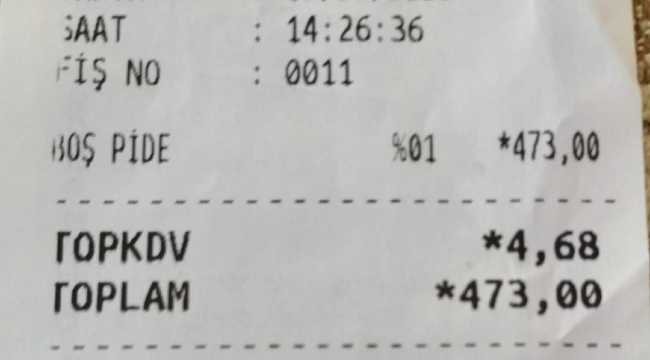
– Certain restaurants and cafes, as well as pharmacies, were found to be manipulating VAT rates by falsely categorizing their sales to benefit from lower rates. For example, restaurants and cafes were charging customers a 10% VAT rate for food and beverage services but calculating and displaying a 1% VAT rate on receipts by falsely categorizing their sales as individual food items sold in a market-like manner.
– Similarly, pharmacies were found to be selling products with a 1% VAT rate alongside medicinal products subject to a 10% VAT rate, but categorizing all sales as if they were solely food supplements with a 1% VAT rate, thus not remitting the correct VAT to the government.
To address these issues and clarify the situation, the Ministry prepared the Regulation to prevent exploitation and resolve any doubts in this regard. “There is currently no other effort underway to increase VAT rates beyond what has been shared.”

