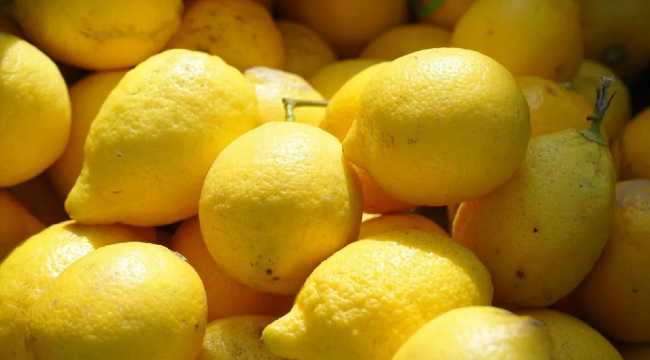
The pesticide crisis with Turkish lemons is escalating, as the European Union (EU) has issued an alarm, and all affected shipments have been sent back at customs. The EU Commission reported finding banned pesticides in lemons exported from Turkey. The chemicals Buprofezin and Etoxazole were detected, and the products were flagged with a potential risk code due to harmful substances. This issue poses a significant risk to Turkey’s agricultural exports.
The EU Commission continues to share findings of harmful substances in food and feed through the Rapid Alert System for Food and Feed (RASFF) portal. In the latest report, Turkish agricultural products, including mandarins, tomatoes, pistachios, and figs, were sent back by EU countries due to high pesticide residues and aflatoxin contamination. This situation presents a severe threat to Turkey’s agricultural export industry.


The recent alarm also concerns lemons, with reports from Poland indicating high levels of Buprofezin and Etoxazole in shipments from Turkey. According to analysis, the pesticide residues in the lemons were far above the EU’s safety limits, with Buprofezin found at 0.041 ± 0.021 mg/kg and Etoxazole at 0.043 ± 0.022 mg/kg, while the maximum acceptable limit is 0.01 mg/kg.
What are Buprofezin and Etoxazole?
- Buprofezin: A pesticide used as a growth regulator to prevent the shedding of skins in insect larvae and nymphs, ultimately leading to their death. It was banned in the EU in 2022.
- Etoxazole: A pesticide used against red spider mites, targeting their eggs, larvae, and nymphs, and preventing the pest from changing stages.
This situation highlights serious concerns about the safety of Turkish agricultural exports and the potential risks to human health and the environment.