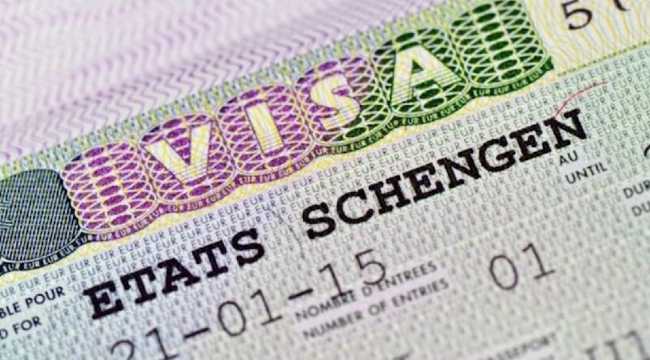
For many Turks dreaming of traveling to Europe, the real hurdle isn’t proving their financial means or submitting the right documents anymore—it’s simply securing a visa appointment. As of late 2024, the process of getting a Schengen visa has taken a bizarre, frustrating turn: appointments are nearly impossible to find through official channels, but suspiciously easy to buy through backdoor methods. Welcome to the new digital black market.
A Market Controlled by Bots and Brokers


Reports are growing louder that a sophisticated network, allegedly operated in part by Russian hackers, is using bots to snatch up all available Schengen visa appointments the moment they appear. These appointments are then resold for as much as €3000 in Telegram and WhatsApp groups. This isn’t just a rumor whispered in online forums—it’s an open secret, acknowledged by many in the visa consultancy industry.
While regular users see “no appointments available” messages for months, these groups can offer three different slots in the same day. The technology behind it is simple yet powerful: custom-made bots constantly monitor and refresh visa appointment systems, instantly grabbing slots the moment they open. For the average person, reacting that fast is simply impossible.
From Appointment Scarcity to Organized Exploitation
This isn’t just a technical arms race—it’s turning into what some describe as an organized occupation of the visa system. These bots are not just holding appointments for genuine applicants, but hoarding them as placeholders. The goal is to create artificial scarcity and drive desperate applicants toward unofficial and exploitative channels.
Visa agencies and even some embassy insiders have been accused—though not officially proven—of colluding in this scheme, either by leaking appointment times or prioritizing access for select intermediaries. The result is a two-tiered system: one for the privileged few with access to bot-powered networks or extra cash, and one for everyone else, stuck refreshing pages in vain.
Authorities Say They’re Acting—but Is It Enough?
Visa centers and EU officials insist that their systems are secure and that bot use is actively monitored. They point to rising approval rates—14.5% rejection in 2024, down from 16.1% the year before—as evidence that the visa process is becoming more inclusive. But many applicants say this improvement on paper doesn’t match their lived experience. What’s the use of a high approval rate when you can’t even get in the digital queue?
The justification given for the lack of appointments is familiar: pandemic-era backlogs, high post-COVID travel demand, and staffing shortages at consulates. But as more users find themselves pushed into the arms of digital scalpers, the idea that this is simply a demand issue becomes harder to accept.
Travel Dreams Meet Digital Nightmares
In practice, what was once a bureaucratic process has become a techno-political maze. Instead of planning their European trip, would-be travelers from Turkey spend months just trying to book a time slot—many ultimately giving in and buying from a gray market they know shouldn’t exist.
It’s not just frustrating—it’s deeply unfair, especially for those with limited means or urgent travel needs. While the European Union talks about openness and accessibility, the reality for many Turks is a travel system hijacked by code, controlled by gatekeepers, and governed by an invisible price tag.
Whether the blame lies with hackers, complacent visa centers, or underfunded consulates, one thing is clear: Europe’s front door is no longer just hard to open—it’s being sold to the highest bidder.