


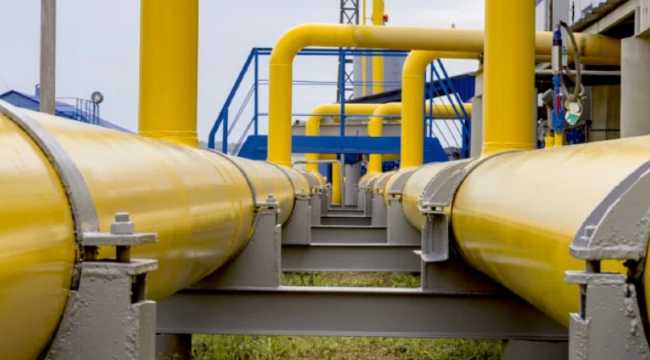
According to Bloomberg, Russia and Turkey are in talks to renew Gazprom PJSC’s gas supply contracts ahead of their expiration on December 31. The agreements, which cover up to 21.75 billion cubic meters of annual gas deliveries, are expected to continue at around 22 billion cubic meters under the new terms.
Gazprom has not commented due to Russia’s national holiday, and Turkey’s Energy Ministry and BOTAŞ have also declined to respond to inquiries.


Western Sanctions Pressure and LNG Deals
Turkey has previously resisted Western pressure to cut pipeline gas imports from Russia. However, in September, Ankara signed new liquefied natural gas (LNG) import deals with several countries, including the United States. With domestic gas production in the Black Sea increasing, Turkey could soon face a gas surplus.
Turkey’s Bargaining Power and Gazprom’s Reliance
For Gazprom, which has lost much of its European market, Turkey remains a crucial outlet. This dependence gives Turkey a stronger hand in negotiating price discounts in the renewed agreements. According to EMRA data, Gazprom delivered 21.6 billion cubic meters of gas to Turkey last year, making Turkey the second-largest buyer of Russian pipeline gas after China.
Turkey’s Energy Mix
Russian pipeline gas continues to play a dominant role in meeting Turkey’s energy demand, which is almost entirely import-dependent. Iran and Azerbaijan also contribute significantly to Turkey’s natural gas imports, helping diversify the country’s energy sources while maintaining its status as Europe’s fourth-largest gas market.
Keywords: #Turkey #Russia #Gazprom #gas #energy #pipeline #supply #agreement #LNG #BlackSea #production #imports #exports #BOTAŞ #EMRA #market #Europe #discount #negotiation #Bloomberg

