


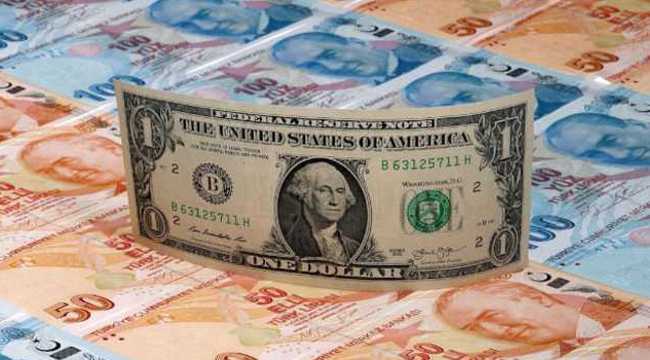
After 44 months in operation, the Turkish Central Bank has officially ended the controversial FX-protected deposit scheme known as KKM (Kur Korumalı Mevduat). The decision, announced on August 23, 2025, marks the end of a financial tool that has cost the country over $60 billion — enough to build 40 Osmangazi Bridges, nearly 8 Northern Marmara Highways, or 6 Istanbul-Izmir Motorways.
KKM was originally introduced on December 21, 2021, as a response to skyrocketing foreign exchange rates and growing concerns over the value of the Turkish Lira. But while it was meant to stabilize the market, many experts argue it did more harm than good — triggering a massive transfer of wealth, placing a heavy burden on the public budget, and worsening the economic divide.


From 13 to 41: The Dollar’s Surge Despite KKM
When KKM was launched, the dollar stood at 13 TL. As the program ends, the rate has surged past 41 TL. The core idea behind KKM was to protect TL savings against currency depreciation. Any losses due to exchange rate fluctuations were to be compensated by the Treasury or the Central Bank.
However, the cost spiraled. By the end of 2023, KKM had created a public finance loss of 819 billion TL. Critics argue that the program did little to restore trust in the local currency and instead benefited a small group of wealthy investors — with that burden now squarely on taxpayers.
Finance Minister: “We Reached a Key Milestone”
Treasury and Finance Minister Mehmet Şimşek welcomed the end of KKM, calling it a milestone in Turkey’s economic program. He noted that the balance of KKM, which had peaked at $143 billion, had steadily declined over the past two years and dropped to just $11 billion as of mid-August. He emphasized that eliminating KKM — a major contingent liability — would further strengthen financial stability.
Opposition and Economists Weigh In
CHP’s Deputy Group Chair Murat Emir criticized the scheme harshly, saying it enriched a privileged few at the expense of the entire population. “This $60 billion cost is nearly equal to what the government spent on disaster relief for the February 6 earthquakes. With that same money, we could have paid 87% of annual pensions for 16.6 million retirees in 2024,” he stated.
Leading economists also voiced concerns about what comes next. Mahfi Eğilmez warned that although KKM is gone, similar financial risks may re-emerge through new instruments like carry trade strategies. “Ending KKM is good — but have we ended the mindset that led to it?” he asked.
Professor Hakan Kara called the termination “the most rational move” by the current economic leadership, but cautioned that the true cost of KKM goes beyond numbers. “You can’t quantify the damage in just liras or dollars. The inflation, trust erosion, growing inequality, brain drain — these are losses you can’t measure on a balance sheet,” he said.
Looking Ahead
With the KKM era officially over, Turkey steps into a new chapter of economic reform. Whether this move will lead to long-term stability or just the start of another policy experiment remains to be seen — but one thing is certain: the cost of restoring faith in the Turkish Lira has been staggering.

