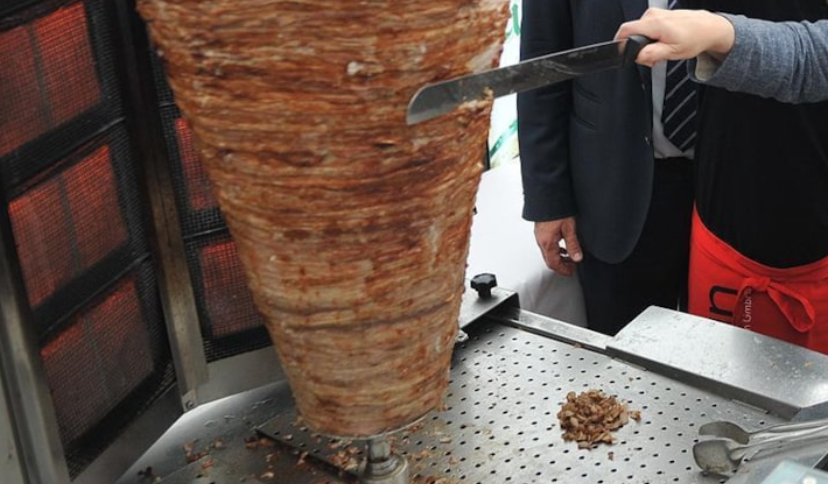
Doner, one of the world-renowned flavors of Turkish cuisine, is expected to receive the European Union (EU) “traditional product name” certification by the end of this year.
Muhammet Nezif Emek, President of the International Doner Federation (UDOFED), provided an update regarding their application for the EU certification in a written statement. He emphasized that doner, a dish that originates from the Anatolian region and has become globally recognized, has been in the process of being certified by the EU. Emek mentioned that UDOFED had applied for this certification in 2022, and the announcement of the application had been published in the EU’s official gazette in April 2024. Following this, a three-month objection period began.


Emek noted that technical objections had come from seven European countries, including Germany, during this period. He further explained: “We are in discussions with our counterparts in these countries regarding the objections. These objections are not claiming that doner does not belong to us, but they are technical in nature. Some producers have raised concerns about the criteria related to the production and sales process of doner. We are revising our application based on these requests with our large team. We have reached an agreement with Germany, and talks with other countries are ongoing. If the process continues in this manner, we expect the EU to grant doner certification in 2025.”
“We Will Take Legal and Diplomatic Steps if Necessary”
Emek expressed that from the very beginning, they had been closely monitoring the process and had formed a strong committee consisting of academics, representatives of major industry brands, senior executives, and international patent consulting firms. He emphasized that the committee was actively managing the process and that government officials were also providing support.
He pointed out that UDOFED was managing the process in a conciliatory manner. “There are doner businesses in nine different countries under the federation. Some of these businesses are managed by the institutions that have raised objections to the certification. We have had long discussions with them and reached a consensus towards our common goal. We are working with all our strength to manage the process correctly and obtain the certification.”
Emek highlighted that if the certification application was unsuccessful, they would evaluate the objection process and take the necessary legal and diplomatic steps. He also mentioned that alternative strategies would be developed for the international recognition and protection of doner but expressed confidence that this scenario would not materialize.
“Turkish Doner Businesses Are Everywhere in the World”
Emek also emphasized that the doner sector in Europe held a large market share. He shared that approximately 400 tons of doner were consumed daily in Europe, and the annual turnover exceeded 3.5 billion euros. There are over 40,000 doner businesses across Europe, with 16,000 of them in Germany alone. Emek pointed out that Turkish doner companies had begun to achieve great success abroad.
He added, “It is now possible to find Turkish doner businesses all over the world.” He continued by explaining that the certification of Turkish doner by the EU would preserve the authenticity and quality of the product and prevent unfair competition. Moreover, it would increase the international recognition of doner, providing a positive impact on Turkey’s gastronomy tourism. The certification would also set production standards for doner, ensuring that consumers receive reliable and high-quality products. Furthermore, it would prevent other countries from claiming doner under different names.