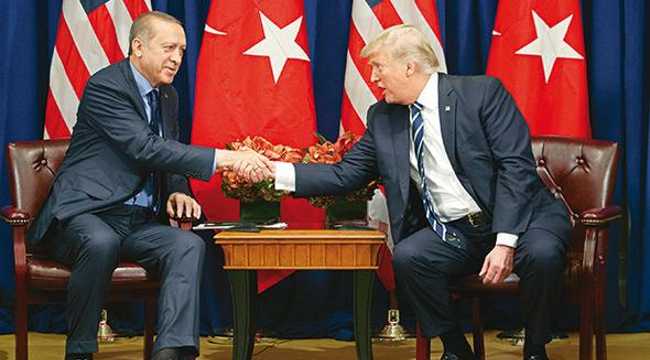
An opposition member of the Turkish Parliament recently shared assessments and comments regarding President Erdoğan’s latest decision to lower customs tariffs in favor of the United States. You will find down below his statements regarding the issue:
“US Duty-Free Imports Threaten Turkish Farmers
(by Orhan Sarıbal CHP Deputy – Source: His Facebook Account)


The recent removal of tariffs on key agricultural imports from the United States, including rice, tobacco, almonds, walnuts, and pistachios, has sparked deep concern among Turkish farmers. While the decision is framed as an economic opening, its consequences for local production are alarming.
The Impact on Tobacco Farmers
Duty-free tobacco imports from the US come at a time when Turkish farmers are already producing at a loss. For many, this move could mean the end of cultivation altogether. With rising costs and shrinking profit margins, small-scale producers face an existential threat.
Almonds and Walnuts Flooding the Market
The US agricultural sector is heavily subsidized, which allows American almonds and walnuts to be exported at competitive prices. Once these products enter Turkey tariff-free, local producers will struggle to compete. This imbalance risks overwhelming the domestic market and pushing out Turkish growers.
Pistachio Growers Under Pressure
In regions like Gaziantep, Şanlıurfa, and Siirt, pistachio producers are already selling below production costs. By opening the gates to imported pistachios, hundreds of farmers stand to lose their livelihoods. The move directly undermines a traditional crop that has cultural and economic importance for the region.
Rising Costs, Falling Prices
Farmers are already burdened with high costs of diesel, fertilizer, electricity, and irrigation. At the same time, imported products will be sold cheaply in local markets. This two-sided pressure forces local producers to exit farming, eroding Turkey’s self-sufficiency in agriculture.
Growing Dependency on Imports
With every step toward duty-free imports, Turkey becomes more dependent on foreign agricultural supplies. For consumers, this doesn’t mean cheaper food in the long run. Instead, it ties local prices to international markets, creating exposure to global price fluctuations and higher costs at the table.
Conclusion: Agriculture on the Negotiation Table
This decision makes one fact clear—Turkish agriculture has been placed at the bargaining table of international trade deals. For farmers and consumers alike, the risks of dependency are becoming harder to ignore.”
Keywords:
#turkey, #agriculture, #us, #imports, #tariffs, #farmers, #tobacco, #almonds, #walnuts, #pistachios, #gaziantep, #sanliurfa, #siirt, #subsidies, #production, #costs, #dependency, #market, #food, #consumers