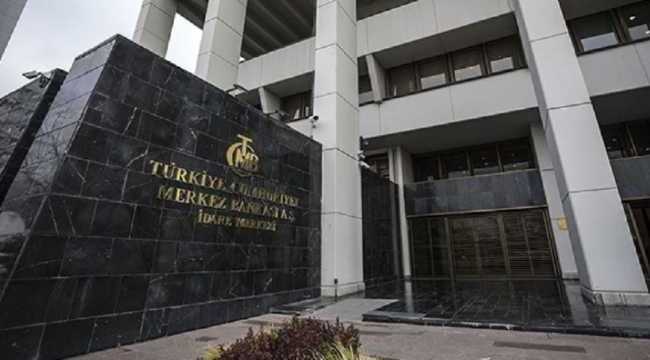
As Turkey faces significant economic challenges, analysts propose two main scenarios for the timing of a policy rate cut. The first suggests a potential rate cut in November or December 2024, while the second delays it until 2025. Most analysts lean toward the second scenario for the following reasons:
1. President’s Statement on Interest Rates: After a long silence on interest rates and inflation, President Erdoğan recently addressed these topics, suggesting inflation is on a downward trend. This has fueled expectations of an upcoming rate cut.


2. Central Bank’s Inflation Target: The inflation forecast for 2024 has been revised to 44%, but annual inflation could surpass this target. The Central Bank has stated that it will maintain a tight monetary stance until a stable and sustained decline in core inflation is achieved.
3. Policy Credibility and Independence: The Central Bank aims to preserve its independence and credibility. A rate cut driven by perceived political pressure could damage its reputation.
4. November and December Inflation Data: If monthly inflation rates in November and December stay around 1.5%, the Central Bank may view January 2025 as a more suitable time for a rate cut rather than December. However, high November inflation could reduce the likelihood of a December cut.
5. Expectations of a Downward Trend in 2025: The recalibrated revaluation rate of 43.93% in 2025 is expected to ease inflationary pressures. A significant drop in annual inflation in early 2025 could provide an opportunity for the Central Bank to reduce the policy rate by at least 2.5 points from 50%.
In summary, analysts view a policy rate cut in January 2025 as a more realistic scenario.
(Source: ekonomim.com – edited and translated by BTT)
TAGS: #Turkey #Central #Bank #when #lower #policy #rate #economy