


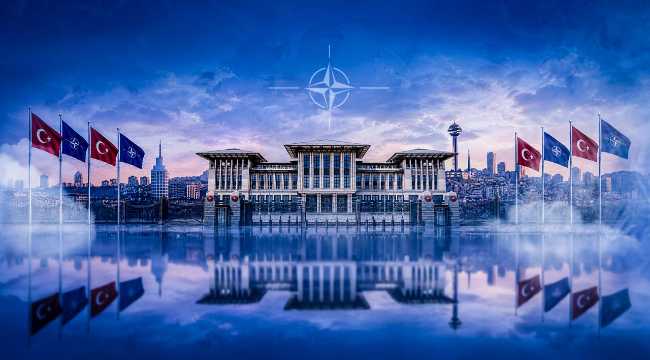
As Ankara prepares to host the 2026 NATO Summit, international attention will naturally focus on defence, security and the future of the alliance. Yet the gathering also carries an important economic message. At a time when geopolitical developments increasingly influence investment decisions, the summit highlights Turkey’s enduring strategic value to both Western partners and international business.
For investors, the event is a reminder that a country’s long-term importance is measured not only by economic indicators, but also by its position within the global political and commercial landscape.


Strategy and Economics Are Becoming More Closely Connected
In today’s fragmented global economy, companies are reassessing supply chains, production locations and regional partnerships. Political stability, reliable logistics and geographic access have become increasingly important alongside traditional financial considerations.
Turkey’s location at the crossroads of Europe, Asia and the Middle East gives it a unique role in this changing environment. The country connects major consumer markets, energy corridors and international transport routes while serving as a regional manufacturing and export hub.
These structural advantages cannot be created quickly elsewhere, making geography one of Turkey’s most enduring economic assets.
Looking Beyond Today’s Economic Headlines
Turkey continues to address significant economic challenges, including inflation, external financing requirements and the ongoing effort to strengthen long-term macroeconomic stability. These issues remain important for both policymakers and international investors.
At the same time, major investment decisions are rarely based solely on current economic conditions. Global companies typically evaluate markets over many years, placing considerable weight on industrial capacity, infrastructure, workforce quality, export capability and long-term access to regional markets.
Turkey continues to offer competitive strengths across manufacturing, automotive production, logistics, textiles, household appliances, food processing and the defence industry. Combined with its well-established industrial base and proximity to Europe, these sectors continue to attract international business interest.
A Reminder of Turkey’s Long-Term Strategic Position
The NATO Summit does not create Turkey’s strategic importance—it reinforces it.
For decades, the country has occupied a central position within NATO while also serving as an important economic link between Europe, the Middle East, the Caucasus and Central Asia. This combination of geopolitical relevance and industrial capability helps explain why Turkey continues to feature prominently in the long-term plans of many multinational companies.
As global competition for resilient supply chains and regional production centres intensifies, countries with strategic geographic advantages are likely to remain attractive destinations for international cooperation and investment.
Looking Ahead
The 2026 NATO Summit is more than a diplomatic event on the international calendar. It also provides an opportunity to view Turkey through a broader economic lens.
Economic reforms, fiscal discipline and macroeconomic stability will continue to play a decisive role in shaping investor confidence. However, the country’s strategic location, industrial experience and regional connectivity remain long-term strengths that extend well beyond short-term market cycles.
For international business leaders, the summit serves as another reminder that Turkey’s role in the global economy is defined not only by today’s economic data, but also by its lasting strategic importance in an increasingly interconnected world.

