
NATO Ankara Summit 2026: What the Alliance’s Decisions Mean for Business, Industry and Investment
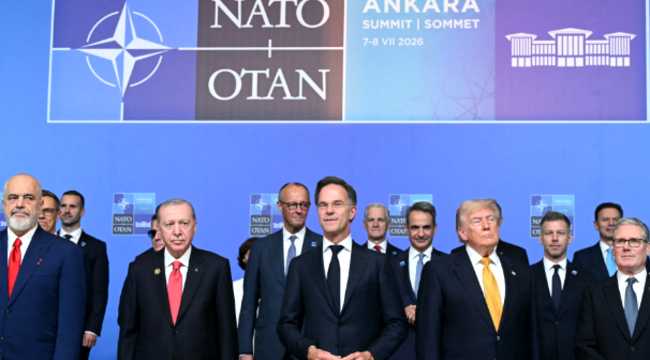
The 2026 NATO Summit in Ankara concluded with decisions that extend well beyond military cooperation. While security remained the central theme, the outcomes also carry significant implications for defence manufacturers, technology companies, infrastructure providers and investors across Europe and North America.
For businesses, the summit reinforced a clear message: defence, industrial capacity and technological resilience are becoming increasingly important parts of the global economy.

Defence spending remains a top priority
NATO leaders reaffirmed their commitment to strengthening collective defence by maintaining higher levels of military investment. The alliance continues to encourage members to increase spending not only on traditional military capabilities but also on cyber security, logistics, infrastructure and emerging technologies.
For defence contractors and suppliers, this creates expectations of sustained procurement programmes over the coming years rather than short-term spending cycles. (NATO)
Ukraine support creates long-term industrial demand
One of the summit’s most significant outcomes was the alliance’s continued commitment to supporting Ukraine. NATO members pledged around €70 billion in military equipment, training and assistance during 2026 while signalling the intention to maintain comparable support in 2027.
Beyond the geopolitical significance, these commitments are expected to generate continued demand for defence manufacturing, ammunition production, air defence systems, maintenance services and military logistics throughout Europe. (NATO)
Defence industry cooperation expands
Leaders also highlighted closer cooperation between allied defence industries. Reducing procurement barriers and improving cross-border industrial collaboration are expected to become key priorities as NATO members seek to accelerate production capacity.
The summit was accompanied by a defence industry forum where agreements reportedly exceeded $50 billion, underlining the growing commercial importance of the sector. (Reuters)
Technology and cybersecurity gain greater importance
Artificial intelligence, cyber resilience, secure communications and defence innovation featured prominently in discussions.
Governments are increasingly expected to work with private technology companies to improve cyber security, protect critical infrastructure and strengthen supply chains. This trend could create new opportunities for firms specialising in software, communications, data security and advanced manufacturing. (ieu-monitoring.com)
Turkey’s strategic role receives renewed attention
Hosting the summit further reinforced Turkey’s strategic position within NATO. As a bridge between Europe, the Black Sea region and the Middle East, the country continues to play a significant role in regional security and defence logistics.
For international businesses already operating in Turkey or considering investment, the summit highlighted the country’s continued importance in defence production, transportation networks and regional supply chains. (NATO)
Market implications
Although NATO summits rarely produce immediate market reactions, the Ankara meeting strengthened expectations that defence spending will remain elevated for years rather than months.
Companies involved in aerospace, defence electronics, cybersecurity, advanced manufacturing, logistics and critical infrastructure may continue to benefit from government investment programmes across NATO member states.
At the same time, businesses should expect increased emphasis on supply-chain security, technological resilience and strategic industrial cooperation as governments seek to reduce vulnerabilities exposed by recent geopolitical tensions.
Looking ahead
The Ankara Summit demonstrated that NATO’s agenda is increasingly linked to economic resilience as well as military security. Defence policy is becoming closely intertwined with industrial strategy, technological innovation and long-term public investment.
For businesses, the message is clear: the alliance’s priorities are shaping not only security policy but also the future direction of defence manufacturing, technology development and strategic infrastructure investment across the Euro-Atlantic region.