
Conflict in Middle East: Iran Says Ceasefire, But Rockets Still Keep Flying
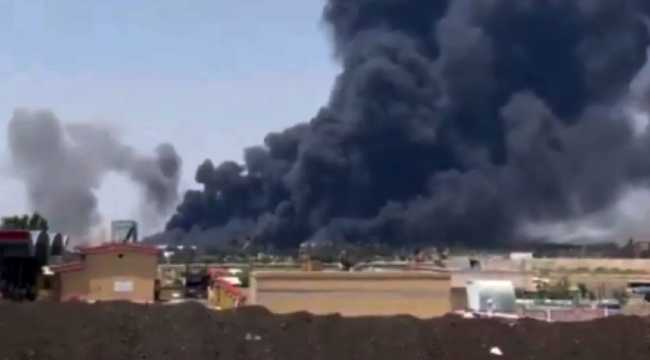
Early in the morning, Iranian state media announced that a ceasefire between Iran and Israel had officially had started. This came shortly after U.S. President Donald Trump declared a “complete and total ceasefire” on social media and urged both sides to stick to it.
According to Iran’s Fars News Agency, the ceasefire began at 7:30 a.m. Tehran time, claiming their missile strikes had inflicted heavy casualties on Israel before the ceasefire took effect.

Iran: “If Israel Doesn’t Attack, We Won’t Either”
Iran’s Foreign Minister Abbas Araghchi said his country accepted the ceasefire and that they had no intention to continue the fight unless Israel did. He insisted Israel was the aggressor that started this conflict in the first place.
Israel’s Response: Ceasefire Accepted, But Under Conditions
The Israeli government also accepted the ceasefire proposed by Trump, stating that they had neutralized threats from Iran. However, they added a condition: the ceasefire would only hold if “all sides comply.”
An unnamed Israeli official told Walla News that Trump’s declaration would be respected as long as there were no further attacks from Iran.
Trump Weighs In
President Trump made a follow-up post in the morning warning both countries: “The ceasefire is now in effect. Please do not violate it.”
But Then… A New Missile Barrage Hits
Despite all these diplomatic messages, Israel’s military reported that Iran had launched a new wave of ballistic missiles just hours after the ceasefire was supposed to take effect.
Air raid sirens sounded in various parts of Israel’s north, and several missiles were intercepted by Israeli defense systems. However, not all were stopped.
Israeli reports suggest that five waves of missile attacks had taken place shortly before the ceasefire was enacted, and one final barrage occurred afterward—raising questions about which side breached the agreement first.
The Israeli army later announced that it was safe for civilians to leave shelters, suggesting the immediate threat had passed.