
Economy in Turkey: Currency-Protected Deposit Scheme Comes to an End
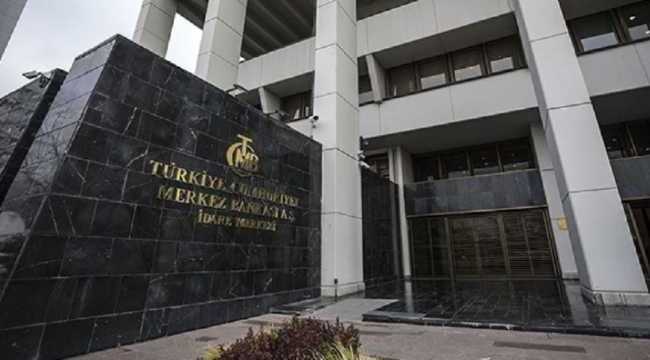
Central Bank Announces Official Termination of KKM Accounts.
Turkey Ends KKM Program for Good: No New Accounts, No Renewals: The Turkish Central Bank has officially announced the termination of the Currency-Protected Deposit (Kur Korumalı Mevduat – KKM) scheme. According to the statement published in the Official Gazette, as of August 23, 2025, no new KKM accounts can be opened, and existing accounts will not be renewed after maturity.

This decision marks a clear shift in monetary policy as the country continues its efforts to stabilize the Turkish lira through more conventional means. The regulation ending the KKM program has now come into full effect.
Central Bank Statement: KKM No Longer Available, Except for YUVAM Accounts
In its public statement, the Central Bank noted:
“The Central Bank of the Republic of Turkey has decided to terminate the opening and renewal of KKM accounts (excluding YUVAM accounts) as of August 23, 2025. Once the existing accounts mature, the relevant regulations will be repealed.”
The announcement also confirmed that all previously set goals related to the conversion to and renewal of KKM in Turkish lira have been removed. In line with this policy change, reserve requirement interest rates and commission regulations are being re-evaluated.
A Controversial Policy Draws to a Close
The KKM program was introduced during the term of former Finance Minister Nurettin Nebati as a way to stabilize the lira and prevent sharp currency depreciation. The system allowed depositors to shield their savings from exchange rate losses by linking lira deposits to foreign exchange rates — with the government covering any gap.
However, the policy came at a heavy cost. In 2023 alone, the KKM scheme resulted in a staggering 818.2 billion TL in losses, raising serious concerns about its long-term sustainability and fiscal impact.
What’s Next for Depositors and Markets?
With the KKM program now phased out, depositors will have to explore more traditional savings products. This move is widely interpreted as a step toward normalizing monetary policy, reducing budgetary strain, and encouraging long-term confidence in the Turkish lira without artificial support.
Analysts suggest this transition could create short-term volatility, but it’s also expected to strengthen monetary discipline and align Turkey’s financial system with global norms.