
Diyanet Sermon Warns Against “Satan’s Most Deceptive Trap”: “Revealing Clothing”
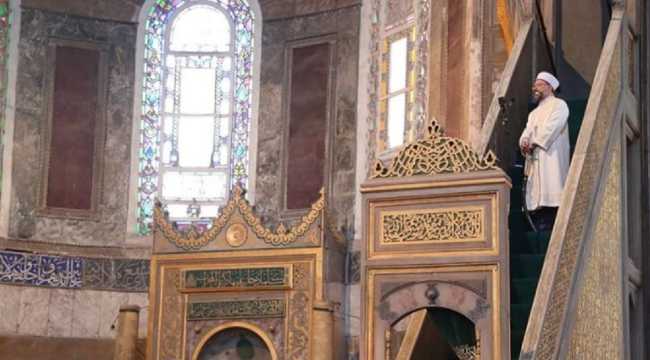
Friday sermon across Turkey highlights modesty, criticizes modern fashion and media influence
In this week’s nationwide Friday sermon titled “Modesty: A Command from God, A Requirement of Human Nature”, Turkey’s Directorate of Religious Affairs (Diyanet) issued a strong warning about what it called “Satan’s most deceptive traps”—specifically pointing to revealing and transparent clothing, social media behavior, and cosmetic modifications to the body.

The sermon, read in all mosques across the country, emphasized that both men and women must dress modestly in accordance with Islamic teachings. The Diyanet argued that fashion designers and some media outlets are promoting nudity under the guise of “freedom” and “modernity,” which they claim undermines the divine principle of modesty and reduces individuals to objects of consumption.
“Wearing short or transparent clothing, regardless of the setting or intent, violates God’s command to cover and is haram,” the sermon stated. The Diyanet described this cultural shift as part of a broader “violation of privacy and dignity,” asserting that it leads to the erosion of intellect, conscience, and natural human instinct.
Referencing a hadith from the Prophet Muhammad, the sermon also warned against so-called “clothed yet naked” individuals—those who wear tight or form-fitting clothes that reveal the shape of the body. The concept, often invoked in conservative discourse, portrays such clothing as a betrayal of both modesty and spiritual discipline.
Beyond clothing, the Diyanet also took aim at plastic surgery, tattoos, and sharing images online in attire it claims is not approved by Islamic principles, labeling these behaviors as sinful.
A Broader Vision Backed by Billions
The message comes amid heightened visibility for the Diyanet, which has been allocated a massive budget of 550 billion Turkish lira for the 2024–2028 period. Diyanet President Ali Erbaş described the institution’s latest strategic plan as one aimed at reinforcing its constitutional responsibilities and expanding its influence both nationally and globally.
The sermon’s message has reignited ongoing debates in Turkish society around freedom, personal expression, and the role of religion in public life—particularly in a country that balances deep-rooted Islamic traditions with a secular constitution and diverse social fabric.
Source: diken.com.tr/diyanet-cuma-hutbesinde-seytanin-en-sinsi-tuzagini-anlatti-kisa-ve-seffaf-giysiler/