Diyarbakır Section of the Historic Royal Road Built in the 7th century BC, to Open for Tourism
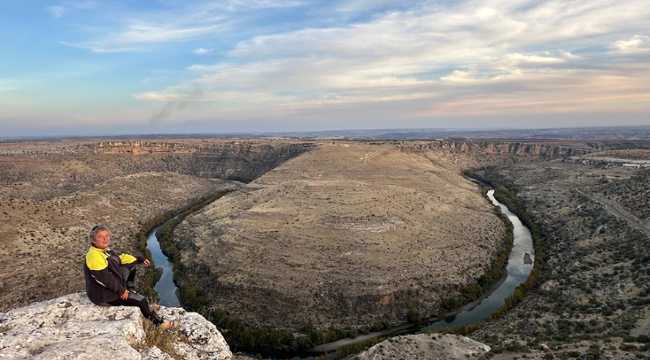
A 240-kilometer section of the historic Royal Road, built in the 7th century BC and stretching from Ephesus to the ancient city of Persepolis in Iran, will open to tourism within the borders of Diyarbakır, Turkey.
In an effort to enhance Diyarbakır’s tourism potential, the Karacadağ Development Agency and the GAP Regional Development Administration are implementing the “Diyarbakır Royal Road Route Project.” This project will create a route for the section of the Royal Road, originally constructed by the Lydian King Gyges, that falls within Diyarbakır, stretching from ancient Ephesus in İzmir to Persepolis in Iran.

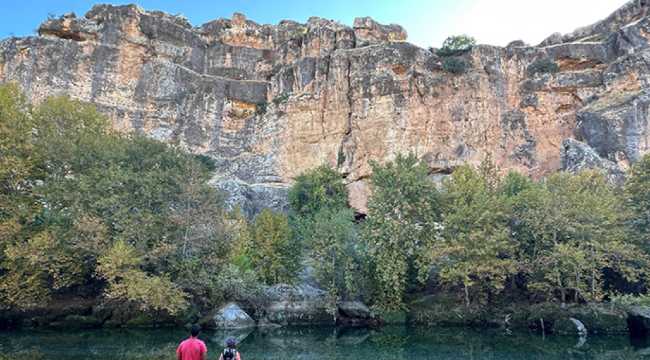
An eight-person team is working on mapping the route through Çınar, Çermik, Eğil, Ergani, Çüngüş, and central districts, identifying caravan parks, nature hiking paths, cycling tracks, and camping areas along the route. Once the route is completed, it will be made accessible on websites like Wikiloc, where travelers can download GPS data to explore the trail.
Asuman Ataç: “Our Goal is to Promote Diyarbakır Globally”
Project manager Asuman Ataç, who highlighted that Diyarbakır had hosted 33 civilizations, emphasized the city’s multi-cultural heritage, featuring castles, ancient caves, bridges, inns, baths, mosques, churches, tombs, and sacred sites. Ataç stated, “Our goal is to introduce Diyarbakır to Turkey and the world. This diversity is a powerful draw for global tourism.” After two months of preliminary research, the team is now conducting on-site studies expected to last approximately 40 days.
Ataç noted that the route’s start and end points, as well as water sources, campsites, panoramic views, and historical sites, were being marked. While the Diyarbakır segment of the Royal Road spans approximately 240 kilometers, this distance may vary depending on geographical conditions.
This project also aims to support rural development. Ataç explained, “Locals, like Ayşe Teyze (Auntie Ayşe), will be able to sell almonds, grapes, and other produce they grow in their gardens or fields to visiting tourists, and they will have the opportunity to share their meals and culture. This provides a valuable income source and economic boost for the community.”
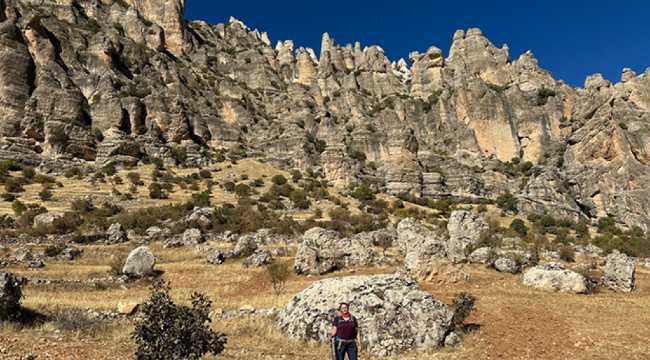
İlkşen Yıldırım: “Every Kilometer Offers a Unique Experience”
Guide İlkşen Yıldırım highlighted the uniqueness of the route, both historically and culturally. “Each day brings something new. Visitors won’t feel like they’re seeing the same thing, and I’m sure they’ll share in our excitement,” Yıldırım said, adding that the route’s diversity would captivate travelers from all over.
TAGS: #historic #Royal #Road #built #7th #century #BC #Ephesus #ancient #city #Persepolis #Iran #open #tourism #borders #Diyarbakır #Turkey