
Gold Hits New Record Highs: What’s Behind the Surge?
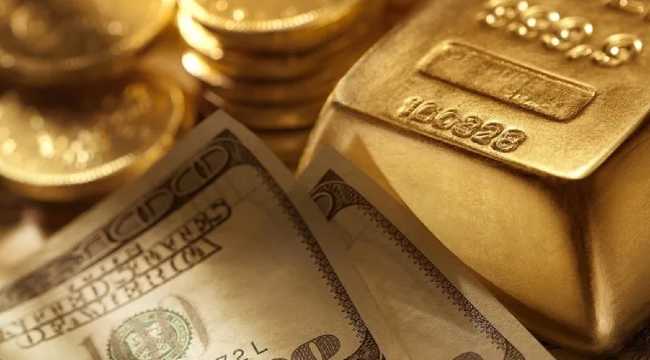
Gold is on a tear lately, smashing through previous records and reaching an all-time high of $3,534 per ounce on Friday. While it gave back a bit of its gains later in the day, gold has still surged an impressive 32% since the start of the year. So, what’s fueling this powerful rally? Analysts point to a combination of political, economic, and global factors that are pushing investors to seek safety in the yellow metal.
New US Tariffs Stir Market Jitters

One of the major drivers of this rally is uncertainty surrounding new US trade policies. According to The Financial Times, the US Customs and Border Protection agency recently announced plans to impose tariffs on certain gold bullion imports. This includes 1-kilogram and 100-ounce bars, potentially hitting exports from gold giants like Switzerland with tariffs as high as 39%.
Although the White House later said it was preparing an executive order to “clarify misinformation” about these tariffs, the mere announcement was enough to rattle markets. The ambiguity around trade policy has increased demand for gold, a traditional hedge in times of uncertainty.
Geopolitical Tensions Keep the Safe-Haven Appeal Alive
Geopolitical tension is another key force behind gold’s climb. Samer Hasn, senior market analyst at XS.com, highlights that rising friction between the US, Russia, and China is driving investors toward safe assets. While the Trump administration is trying to mediate a ceasefire between Russia and Ukraine, it has also slapped steep tariffs on key Russian trade partners like India and has hinted at further sanctions.
Meanwhile, US-China trade talks remain unresolved ahead of a planned tariff hike on August 12. The lack of clarity and the prospect of escalating conflicts are making gold look more attractive by the day.
Weak Economic Signals from the US Fuel Stagflation Fears
Even though US GDP growth appeared solid in Q2, there are cracks starting to show in the labor market. July job creation came in below expectations, and employment figures for May and June were revised downward. At the same time, inflation indicators are creeping up, sparking fears of stagflation—when growth stalls while prices continue to rise.
These warning signs have pushed more investors into gold, betting that the Federal Reserve may struggle to strike the right balance between growth and inflation. Hasn believes this combination of economic and political risks will continue to support gold as a long-term safe haven.
Wall Street Remains Bullish on Gold
Big players in the financial world are getting even more bullish on gold. Goldman Sachs recently released a forecast projecting gold could hit $4,000 per ounce by mid-2026, with a year-end 2025 target of $3,700. Morgan Stanley is also optimistic, calling gold one of its top commodity picks alongside silver and copper. The bank raised its Q4 target for gold to $3,800, citing central bank purchases, strong investor demand, a weaker dollar, and ongoing global uncertainty.
With so many tailwinds behind it, gold’s record-breaking run may still have room to climb.