Hagia Sophia Grand Mosque Breaks Record with 40 Million Visitors
A Spiritual and Cultural Revival in the Heart of Istanbul
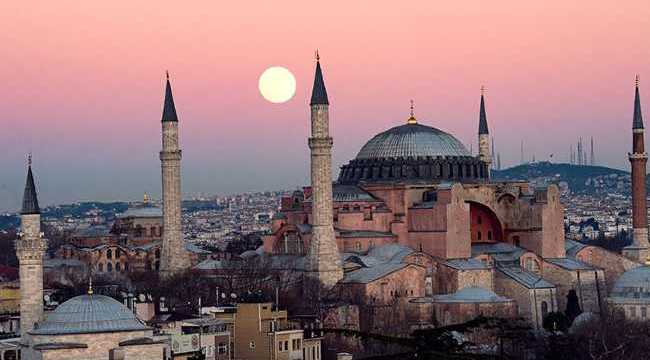
Since its reopening for worship in July 2020, the Hagia Sophia Grand Mosque (Ayasofya-i Kebir Camii) has welcomed an astonishing 40 million visitors over just five years. Originally serving as a mosque for 481 years after the conquest of Istanbul, then functioning as a museum from 1934, Hagia Sophia returned to its mosque status in 2020—sparking both global attention and massive foot traffic.

A Place for Both Prayer and Discovery
Under the coordination of Turkey’s Directorate General of Foundations and the Ministry of Culture and Tourism, Hagia Sophia has continued to serve as both a functioning mosque and a living cultural monument. The lower level is reserved for Muslim worshippers, while the upper gallery remains open to international visitors. This separation ensures a respectful and peaceful experience for all, allowing the site to fulfill both its religious and historical roles.
A UNESCO Site Welcoming Millions Each Year
Listed as a UNESCO World Heritage Site, Hagia Sophia is managed under a visitor plan recommended by UNESCO, offering multilingual guided tours for tourists. The effort to preserve its dual identity as a sacred space and a global cultural landmark has paid off, with an annual influx of 10 to 15 million people. Especially in the post-pandemic era, interest in the site has surged, making it one of the most visited locations in Istanbul.
More Than a Mosque: A Living Center of Heritage
Beyond its function as a mosque, Hagia Sophia has reemerged as a center for learning, culture, and spiritual reflection. Its ability to draw millions from around the world is a testament not only to its architectural and historical grandeur, but also to the careful balance Turkey has struck between preservation and religious revival. As it stands today, Hagia Sophia continues to be a powerful symbol at the crossroads of history, faith, and global heritage.