
Hidden Truth Behind Turkey’s Bank Accounts: 166 Million Hold Less Than 1% of All Deposits
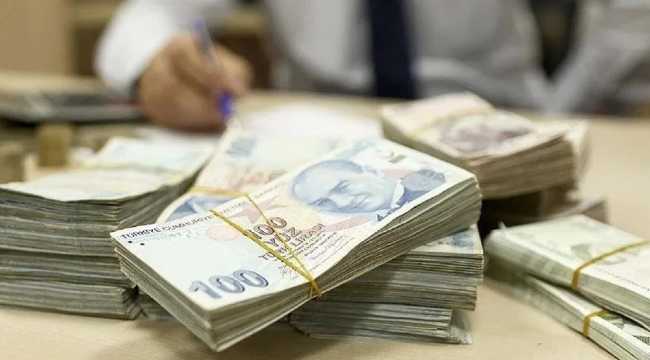
If you’re wondering just how unequal wealth distribution in Turkey has become, the latest data from the Banking Regulation and Supervision Agency (BDDK) paints a stark picture. Despite a total of 184 million individual deposit accounts in the country, the vast majority of the money is concentrated in the hands of a very small elite.
A Nation of Accounts, But Not a Nation of Wealth

According to BDDK’s latest figures, Turkey’s total individual bank deposits have reached a staggering 21.3 trillion Turkish lira. But here’s the kicker: 80% of that wealth is controlled by just 2.2 million people—each of whom holds over 1 million lira in their accounts. On average, these high-net-worth individuals each have about 7.4 million lira stashed away.
The Other Side of the Coin
Now, let’s look at the other 166 million people with accounts holding less than 10,000 lira. Combined, their deposits amount to only 131.9 billion lira—which is less than 1% of the total. That means the average person in this massive group has just 793 lira to their name. It’s a sobering figure, especially when you consider rising costs of living and inflation.
Another 16.7 million people have accounts with between 10,000 and 50,000 lira. Their collective deposits total 423.1 billion lira, which still only represents about 2% of the national pie.
What This Really Means
This data makes one thing painfully clear: Turkey’s income and wealth inequality is not just about differences in monthly paychecks. It’s about long-term accumulation, financial security, and access to opportunities. While a tiny portion of the population enjoys financial abundance, the overwhelming majority are left with little or no savings, increasing their vulnerability to economic shocks.
This isn’t just a financial issue—it’s a social one. And unless there’s meaningful structural change, these numbers may only grow more skewed in the years ahead.