
How European Countries Handle Stray Animals
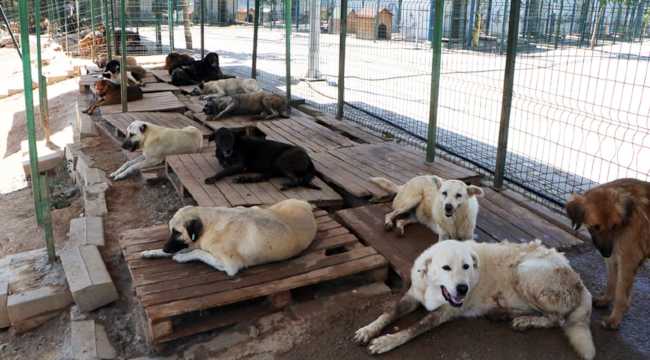
The discussion around a proposed law in Turkey to euthanize stray animals if they are not adopted within 30 days has sparked significant controversy. Animal rights activists and opposition parties have expressed strong objections, considering the method cruel and unnecessary. To understand how other countries manage stray animals and why there are no stray animals in many European countries, let’s look at their approaches.
How European Countries Handle Stray Animals:

United Kingdom
Microchipping: Mandatory for all dogs to ensure lost pets can be returned to their owners.
Stray Management: Stray dogs are collected by local authorities or animal welfare organizations. If not claimed or adopted within seven days, they may be euthanized.
Encouragement of Adoption: There are strong campaigns and systems in place to promote adopting animals from shelters.
Spain
Shelters and Care: Stray animals are taken to shelters, neutered, and microchipped.
Legal Penalties: Abandoning animals can result in fines up to €45,000. Animal cruelty can lead to fines up to €200,000 and imprisonment.
Euthanasia Restrictions: Animals cannot be euthanized for reasons other than health.
France
Legal Framework: Abandoning pets can result in up to 3 years in prison and fines up to €45,000.
Stray Management: Despite high numbers of abandoned pets, there are no stray dogs on the streets due to effective shelter systems.
Dangerous Dogs: Must be walked on a leash in public areas.
Germany
Dog Tax: Revenue from dog ownership taxes supports shelters.
Special Permits: Required for aggressive breeds.
Shelter Stay: Stray animals are kept in shelters for up to six months if the owner cannot be found. They are not euthanized unless severely ill.
Switzerland
Constitutional Protection: Animal dignity and welfare are constitutionally protected.
Shelters: Stray animals are kept in shelters indefinitely until adopted. Euthanasia is not practiced unless medically necessary.
Private Management: Shelters are managed by private organizations and funded by volunteers.
Italy
Legal Penalties: Animal cruelty results in prison and fines under a 1991 law.
Rehabilitation and Adoption: Animals are rehabilitated in shelters and rehomed.
Belgium
Shelter Role: Crucial in managing stray animals. Stray dogs’ microchips are checked to locate owners.
Euthanasia Restrictions: Only for medical reasons.
Sweden
Microchipping: Mandatory for all dogs.
Shelters and Adoption: Stray animals are kept in shelters and rehomed. Euthanasia is only for health issues or aggression.
Summary
While approaches vary, many European countries emphasize mandatory microchipping, promoting adoption, and ensuring humane treatment of stray animals. Euthanasia is generally restricted to severe health cases, with long-term shelter care and rehoming as primary strategies. These measures help maintain low numbers of stray animals and avoid the need for widespread euthanasia.
Turkish Context
The proposed Turkish law to euthanize unadopted stray animals has been met with resistance from animal rights activists and veterinarians. They argue for more humane and effective solutions, such as those implemented in Europe, focusing on sterilization, adoption programs, and responsible pet ownership to manage stray populations without resorting to euthanasia.
By examining these international practices, Turkey can develop a more compassionate and sustainable approach to managing stray animals, balancing public safety with animal welfare. (Source: GazeteOksijen)