Istanbul’s Historic Peninsula Is Getting a New Traffic Strategy — What’s Changing?
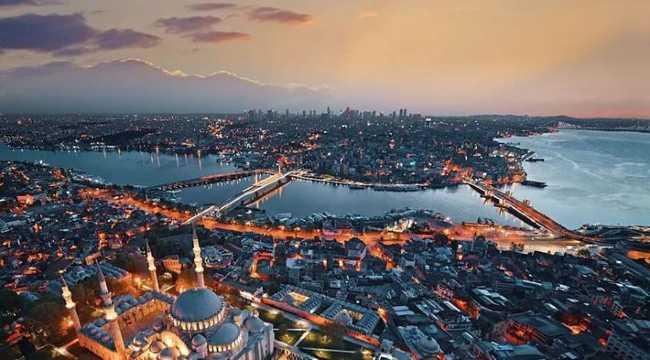
The Istanbul Metropolitan Municipality (IMM) has unveiled a brand-new transportation strategy for the Historic Peninsula, aiming to reshape mobility in line with the Paris Climate Agreement and the city’s 2050 carbon neutrality goals. The changes won’t happen overnight but will start in pilot zones and gradually expand. So, what exactly is on the horizon?
A More Accessible and Sustainable Historic Peninsula
IMM Deputy Secretary General Assoc. Prof. Pelin Alpkökin shared details about the new Historic Peninsula Transportation Action Plan. The vision is clear: less traffic, more public transport, and a pedestrian-friendly experience — especially for tourists and locals visiting this iconic part of Istanbul.

Bus Priority Lanes Coming First
One of the key components of the plan is the introduction of bus-priority lanes, designed to make public transport a faster and more attractive option than driving.
Alpkökin explained that the plan will roll out in stages, starting with pilot areas. The first area to benefit will be Vatan Avenue, where the dedicated bus lanes are expected to reduce congestion while boosting public transit efficiency.
Meanwhile, work is already underway along other routes such as Vezneciler–Edirnekapı and Fevzipaşa Avenue. A dedicated bus lane on Fevzipaşa is also being designed to connect with Istanbul’s rail systems at Edirnekapı, improving intermodal transport options.
Sirkeci-Harem Car Ferry Line Will Move to Yenikapı
A major change involves the relocation of the Sirkeci–Harem car ferry terminal to Yenikapı. This move aims to reduce vehicle traffic in the Sirkeci area, transforming it into a pedestrian-friendly hub and a drop-off point for tourist buses.
Alpkökin also mentioned that once the ferry line moves, shuttle services will be launched from Sirkeci to Sultanahmet, making it easier for visitors to navigate this heavily touristed area without adding to road traffic.
More Park-and-Ride Options
To further discourage private car use within the peninsula, the city will expand its Park-and-Ride (P+R) system. In addition to the existing lots in Yenikapı and Feshane, a brand-new facility will open in Alibeyköy.
This gives drivers the opportunity to park on the outskirts and transfer to public transportation for the remainder of their journey — a step that supports cleaner, more efficient mobility.
Making Streets Friendlier for Pedestrians
Another major pillar of the plan is creating pedestrian-first zones. Areas around hotels in Sarayburnu and Cankurtaran will be cleared of unnecessary vehicle traffic to improve walkability.
Special attention is being paid to traffic-calming measures around schools to ensure safer conditions for students. The city also plans to enhance tourist routes with dedicated walking and cycling paths, promoting active transportation as a core part of the visitor experience.
A Stronger Connection to the Sea
The Kabataş Transfer Center will help strengthen sea transport connections, while additional trips are planned on the Bağcılar–Kabataş (T1) and Sirkeci–Kazlıçeşme (U3) rail lines.
And to make the Golden Horn even more enjoyable for visitors, a tourism-oriented Hop-on Hop-off boat line is in the works — adding both convenience and charm to the travel experience.
The Future of Mobility in the Historic Peninsula
From improved public transit options to expanded pedestrian zones and eco-friendly ferry systems, Istanbul’s Historic Peninsula is entering a new era of smarter, greener mobility.
These changes aren’t just about traffic — they’re about transforming the city’s most iconic district into a more livable, accessible, and climate-friendly space for everyone.