
Japan Leads the Charge in Next-Gen Solar Tech: Perovskite Solar Cells Are the Future
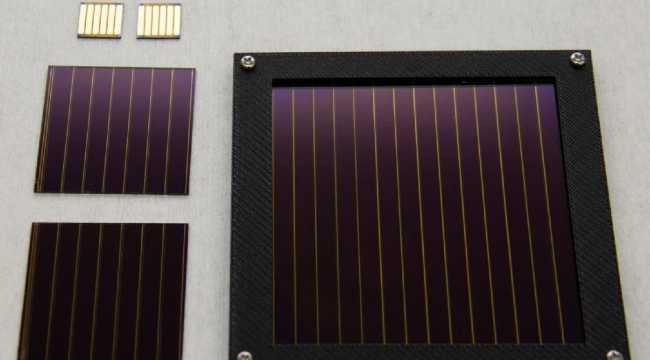
While traditional silicon solar panels still dominate rooftops and solar farms, Japan is investing heavily in a breakthrough alternative: perovskite solar cells. Spearheaded by institutions like the University of Tokyo, and companies like Toshiba and Sekisui Chemical, the country is pushing the boundaries of what’s possible in solar energy.
The global race to harness cleaner, smarter energy just got a serious boost — and Japan is out front.

Why Perovskite? Perovskite solar cells are lightweight, flexible, and efficient. Unlike rigid silicon panels, these can be printed on almost any surface — from building windows to portable electronics. Yes, even textiles.
How Efficient Are They?
- Silicon panels typically convert 18–22% of sunlight into electricity
- Perovskite cells already exceed 30% in labs
- Tandem (perovskite + silicon) cells are hitting up to 43% efficiency — a game-changer!
Imagine This… Solar energy in: Skyscraper Windows, Car rooftops, Backpacks, Smart home facades
Environmental Impact They’re also more sustainable — perovskite cells are manufactured using low-energy processes, reducing their carbon footprint significantly compared to silicon.
What’s the Catch? Durability remains the biggest challenge. Silicon lasts 25+ years; perovskites still have work to do. But R&D is rapidly closing that gap.
The Future? With government support and industrial momentum, Japan could make perovskite solar commercially viable in the coming years — potentially doubling or tripling the usable surface area for solar generation globally.
Clean, flexible, efficient, and affordable — perovskite technology could redefine how we power the world.
What do you think? Are perovskite solar cells the future of clean energy?
#Perovskite #RenewableEnergy #SolarTech #JapanInnovation #GreenEnergy #ClimateTech #SustainableFuture #SolarPower