National Solidarity, Brotherhood, and Democracy Commission: Eyes on the Second Meeting
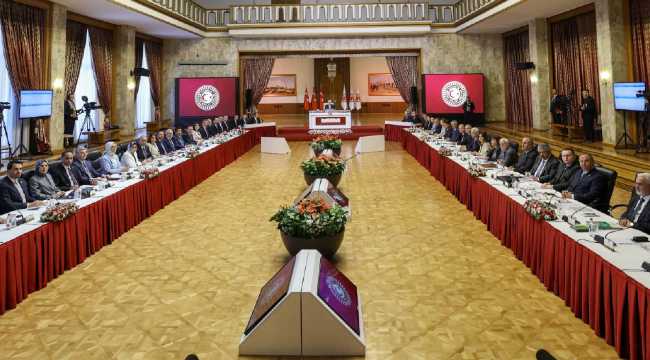
Following the historic announcement that the PKK has decided to disband and lay down arms, Turkey has entered a new legislative phase — and right at the center of it is the newly formed National Solidarity, Brotherhood, and Democracy Commission. Created within the Turkish Grand National Assembly (TBMM), this commission is tasked with shaping the legal and political roadmap for the post-conflict transition. After holding its first meeting this week, all eyes are now on the commission’s highly sensitive second meeting, scheduled for Friday.
Top Security Figures Invited to Closed-Door Session

Though the commission’s official working procedures state that meetings should be open to the press, the upcoming session on Friday (August 8) will be an exception. Given the attendance of key national security officials — Interior Minister Ali Yerlikaya, National Defense Minister Yaşar Güler, and National Intelligence Organization (MİT) Director İbrahim Kalın — the commission has decided to close the session to the media. What’s more, meeting transcripts will be marked classified, in line with the commission’s internal rules.
This decision to go behind closed doors underlines the sensitivity and complexity of the topics on the table. Ministers and intelligence officials are expected to brief the commission on ongoing security operations, intelligence findings, and the broader implications of PKK’s disbandment. Their insights will likely shape the legislative recommendations that the commission is expected to deliver by early October.
Broad Political Representation, Narrow Focus
The commission is politically diverse, with members from nearly all major parties except the İYİ Party, which chose not to participate. During the first meeting, held earlier this week and opened by Parliament Speaker Numan Kurtulmuş, the commission settled on its official name and working principles. Some articles in the draft procedures were modified after objections from certain members, reflecting both the complexity and the political sensitivity of the task ahead.
With the first session lasting nearly eight hours, the commission got a solid start. But the real work begins now.
What Will the Commission Do?
Its main job is to propose the necessary legal adjustments and reforms that align with this new peace dynamic. That means working on potential amendments to laws such as the Anti-Terror Law, the Turkish Penal Code, and the Criminal Execution Law. Throughout August and September, the commission will conduct consultations, hold closed and open meetings, and prepare draft legislation that’s expected to be formally submitted when Parliament resumes on October 1.
The commission also aims to keep the public informed about its progress — although clearly, some sessions (like this Friday’s) will remain confidential due to national security considerations.
Why This Matters
This commission’s work could mark a turning point in how Turkey deals with long-standing conflict issues. It’s not just about rewriting laws; it’s about reshaping narratives, rebuilding trust, and redefining national unity. The presence of top military and intelligence figures at the table shows just how high the stakes are.
As the second meeting approaches, the country watches quietly but closely — aware that something unprecedented may be unfolding behind closed doors.