
The Shocking Price Gap Between Farm and Market: Why Turkish Farmers Are Struggling Despite Full Harvests
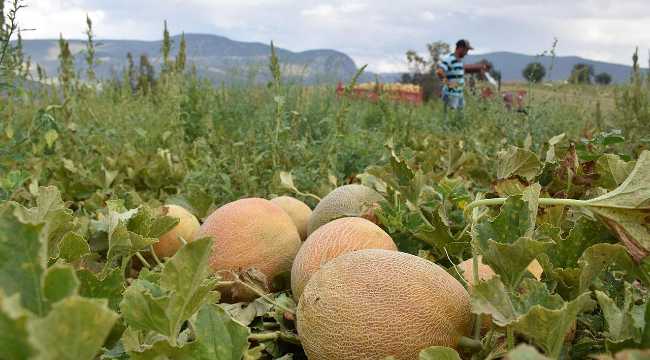
The price tag on your watermelon might say 25 TL, but did you know that the farmer who grew it may have sold it for just 9 TL—or even less? That’s the harsh reality playing out across agricultural regions in Turkey right now, especially in the fertile Bafra Plain of Samsun.
As food prices continue to climb in urban markets, the farmers behind those fruits and vegetables are actually earning less. The root of the problem? A lack of proper planning and major imbalances between supply and demand.

From Field to Shelf: What’s Causing the Huge Price Gap?
In the Bafra region, the melon and watermelon harvest is in full swing. But instead of celebrating the abundance, farmers are expressing frustration and financial stress. Watermelons are being sold for as little as 2 TL per kilo at the farm. Middlemen, or local wholesale traders, buy them for around 2.5 TL. Yet by the time those watermelons hit supermarket shelves, the price jumps to 7.5–8.5 TL per kilo.
Melons show an even wider margin. Farmers are getting around 9 TL per kilo, with wholesalers offering 10 TL—but in stores, melons are priced between 20 and 25 TL.
This pricing chasm leaves farmers feeling helpless and consumers wondering why they’re paying so much.
Overproduction and Poor Planning Hit Farmers Hard
So what’s behind this imbalance? According to farmers and traders in Bafra, it all comes down to poor planning and reactive decision-making.
Last year, watermelons were profitable. So this year, many farmers planted more. But when everyone chases the same “profitable” crop, it results in overproduction. The market becomes flooded with supply, prices drop, and farmers struggle to even cover their costs.
Mesut Gün, a local wholesaler at the Bafra Vegetable Market, points to this exact issue. “Prices are entirely shaped by supply and demand. The harvest started 15–20 days ago, and the price in the field is just 2 TL. That’s not enough for farmers to sustain themselves,” he says.
The Real Problem: Lack of Agricultural Strategy
Gün believes Turkey’s agricultural sector suffers most from a lack of centralized planning. “If farmers made money on watermelon last year, they all plant more of it this year. It creates a surplus, prices crash, and the products either go to waste or sell for peanuts,” he explains.
He suggests that a solution lies in expanding export markets and investing in agricultural cooperatives. These systems could help regulate production levels, ensure farmers get fair prices, and reduce the reliance on volatile local demand.
What Needs to Change
Until better planning is in place, Turkish farmers will likely continue facing this painful cycle of boom and bust. Consumers will keep paying high prices at the market, unaware of how little of that actually goes back to the people growing their food.
Fixing the system isn’t just about lowering grocery bills—it’s about creating a sustainable agricultural economy where both producers and buyers can thrive. And that starts with smarter decisions, stronger cooperatives, and a commitment to planning ahead.