
Turkey’s Central Bank announces a significant change in its monetary policy, reducing interest rate from 50% to 47.5%
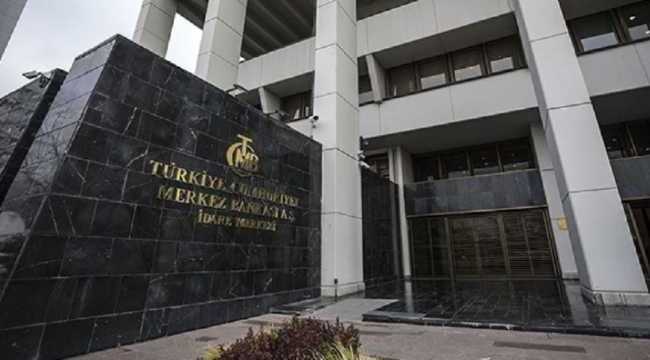
On December 26, 2024, the Central Bank of the Republic of Turkey (CBRT) announced a significant change in its monetary policy, reducing the one-week repo auction interest rate (policy rate) from 50% to 47.5%. This marks the first interest rate cut in 22 months, breaking a long streak of interest rate hikes and maintaining the rate at elevated levels.
Rate Cut and Market Reactions

The decision came with a 250 basis point reduction, exceeding the market’s average expectation, which anticipated a 150 basis point cut. This move comes after the CBRT had raised the policy rate from 8.5% to 50% between June 2023 and March 2024 in a series of hikes intended to combat high inflation. The policy rate had remained unchanged for the last eight months.
Additionally, the CBRT altered the operational framework, reducing the margin for overnight borrowing and lending rates from a previous range of -/+ 300 basis points to -/+ 150 basis points relative to the one-week repo rate. This decision indicates a shift toward slightly more accommodative monetary policy.
Inflation Trends and Economic Indicators
Inflation trends and economic indicators influenced the decision. According to the CBRT’s statement:
- Inflation Trends: The inflation rate showed signs of moderation in recent months. While inflation remained high, the underlying trend began to stabilize. In November 2024, inflation reported by different sources was: TÜİK (Turkish Statistical Institute) at 47.1%, İTO (Istanbul Chamber of Commerce) at 58%, and ENAG (an independent inflation monitoring group) at 86.8%.
- Slower Domestic Demand: Economic activity, particularly domestic demand, showed signs of slowing down. This decrease in demand is considered supportive of the ongoing decline in inflation, as it alleviates price pressures.
- Inflation Expectations: While inflation expectations improved, they remained a risk factor. Uncertainty about future inflation trends continues to pose challenges. Core goods inflation was still low, but service inflation showed more significant improvements.
The December report showed that processed food inflation remained subdued, while unprocessed food inflation moderated following high levels in previous months. However, the Committee noted that inflation expectations and the general pricing behavior continue to present risks for the disinflation process.
Conclusion
In summary, the CBRT has opted for a rate cut despite high inflation and ongoing economic challenges, reflecting a shift toward supporting economic growth while managing inflation. However, the Bank made it clear that it would continue with a tight monetary policy in the near term until inflation expectations and trends align with the desired disinflation path. The CBRT’s decisions will remain data-driven and adaptable, with an emphasis on maintaining price stability, fostering a balance in domestic demand, and ensuring the long-term stability of the Turkish lira.
The CBRT’s meeting summary will be published within five business days, offering further insight into the Committee’s detailed analysis and reasoning.