
U.S. Approves Anti-Dumping Duties on Steel Imports from 10 Countries, Including Turkey
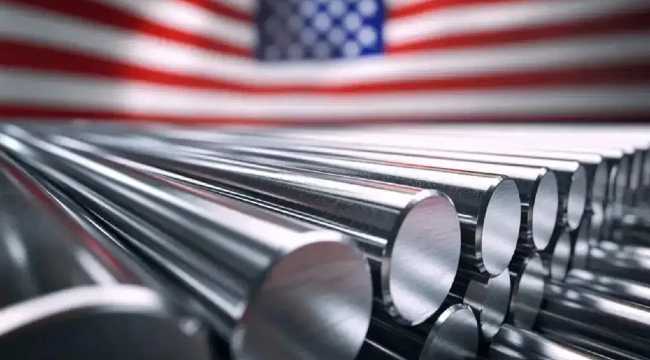
Washington Targets Corrosion-Resistant Steel to Protect Domestic Industry
The U.S. Department of Commerce has announced its final decision to impose anti-dumping (AD) and countervailing duties (CVD) on corrosion-resistant steel (CORE) products imported from 10 countries—including Turkey. The move comes after months of investigation and is expected to directly impact approximately $2.9 billion worth of imports.

In its official statement, the Commerce Department confirmed that the measures will apply to steel products originating from Australia, Brazil, Canada, Mexico, the Netherlands, South Africa, Taiwan, Turkey, the United Arab Emirates, and Vietnam. The department concluded that these countries either sold steel in the U.S. at unfairly low prices (dumping) or benefited from government subsidies, distorting fair market competition.
Why It Matters: The Strategic Importance of CORE Steel
Corrosion-resistant steel is a critical material widely used in sectors such as automotive manufacturing, construction, and home appliances. Its durability and performance make it indispensable, which is why the U.S. is taking steps to shield domestic steelmakers from unfair trade practices.
“A Step Toward Fair Competition”
Commenting on the decision, William Kimmitt, Under Secretary for International Trade at the Department of Commerce, stated:
“American steel companies and workers should not be forced to compete with artificially low prices or state-backed competition. This decision is a crucial step to ensure they can compete on a level playing field.”
What’s Next? Final Decision Pending ITC Review
The ruling now heads to the U.S. International Trade Commission (ITC), which will assess whether the alleged dumping and subsidies are causing material harm to the domestic steel industry. If the ITC affirms the Commerce Department’s findings, official AD and CVD orders will be issued and enforced.
This development could lead to higher costs for importers and potential price shifts in the steel supply chain, especially in industries dependent on corrosion-resistant steel. For Turkey and the other nations involved, it signals increasing scrutiny of their trade practices as the U.S. prioritizes the protection of its industrial base.