
Why Are Fuel Prices Rising in 2026?
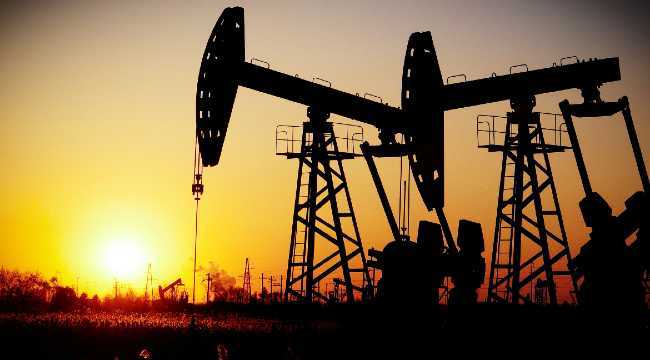
Fuel prices are rising again in 2026 due to a combination of geopolitical tensions, constrained supply, and increasing global demand. One of the biggest factors is instability in key oil-producing regions, which creates uncertainty and limits the amount of oil reaching international markets.
A particularly significant driver is rising tension in the Middle East, especially concerning Iran and the Strait of Hormuz. This narrow waterway is one of the world’s most important oil transit routes, with a substantial portion of global oil passing through daily. Further escalation in this region could disrupt supply and trigger sharp price spikes, even over a brief period. The ongoing risk keeps global energy markets highly sensitive and volatile.

At the same time, global demand for energy continues to grow. The recovery of travel and tourism, along with increased consumption by airlines, shipping companies, and industries, is placing upward pressure on fuel prices.
Production policies from major oil-producing nations also play a crucial role. By managing output levels, these countries can stabilize or raise prices. However, limited increases in production are insufficient to meet rising demand, which contributes to higher costs at the pump.
Additional factors such as currency fluctuations and inflation further exacerbate the situation. Rising costs across production, refining, and distribution make fuel more expensive for consumers worldwide.
What to Expect in the Coming Days
Fuel markets are likely to remain highly sensitive due to the interplay of geopolitical, economic, and demand factors:
- Middle East tensions: Further escalation near the Strait of Hormuz could trigger short-term spikes in fuel prices. The risk of supply disruption in this strategic corridor keeps traders on alert.
- Supply management by producers: Decisions from OPEC+ and other major oil-producing nations regarding output levels will strongly influence price trends. Tightening supply could push prices higher, while easing could stabilize markets.
- Rising energy demand: With tourism and commercial activity picking up, fuel consumption is expected to increase, maintaining upward pressure on prices.
- Currency and inflation dynamics: Exchange rate fluctuations and rising operational costs could further amplify fuel price increases at the consumer level.
Short-term outlook: Fuel prices are expected to remain elevated and volatile in the coming days. Temporary spikes are likely if geopolitical tensions escalate, particularly around the Strait of Hormuz. The overall trend is likely to stay upward until global supply-demand balance improves or political pressures ease.
How Rising Fuel Prices Affect Consumers
The impact of higher fuel prices extends beyond the pump and affects multiple areas of daily life:
- Airfares and travel costs: Airlines pass on increased fuel costs to passengers, making tickets more expensive. Domestic and international flights are likely to see higher fares in the coming weeks.
- Shipping and logistics: Transportation of goods becomes more costly, which can drive up prices for food, electronics, and other essentials.
- Commuting and transport: Gasoline and diesel price hikes directly affect personal and commercial transport costs, leading to higher expenses for commuters and businesses alike.
- Inflation ripple effect: As fuel influences both production and distribution costs, other consumer goods may experience gradual price increases, amplifying the broader inflationary trend.
In short, rising fuel prices in 2026 are not just a number at the pump—they ripple through the economy, affecting travel, goods, and services, and are likely to shape consumer behavior in the weeks ahead.
keywwords: fuel prices 2026, Middle East tensions, Strait of Hormuz, oil prices, airfare increase, global energy demand, inflation, travel costs, shipping costs, consumer prices