
A Common Health Issue, A Silent Struggle for Many Women: Urinary Incontinence
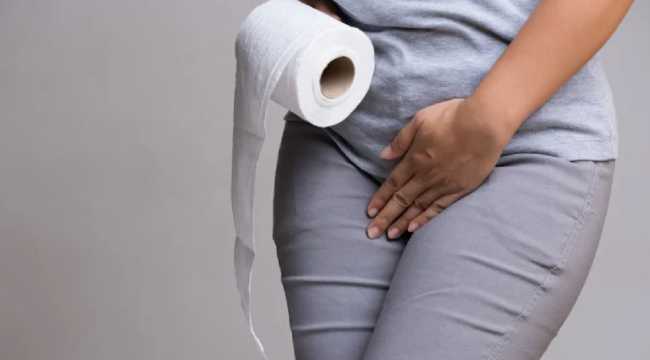
It’s one of those issues women often don’t even talk about with each other. It’s brushed aside, hidden under layers of shame, or misunderstood as something that just “comes with age.” But the truth is, urinary incontinence is incredibly common—especially after the age of 40—and more importantly, it’s treatable.
Why Does It Happen?

Urinary incontinence affects about 30% of women over 40, and it tends to show up more often after menopause or childbirth. The root cause? It usually comes down to the weakening of pelvic floor muscles. This can happen naturally with age, but it’s also linked to things like vaginal births, menopause, obesity, chronic constipation, urinary tract infections, diabetes, and certain neurological conditions.
As estrogen levels drop during menopause, the tissues around the bladder and vagina become thinner and weaker. That loss of strength can make it much harder to hold urine. Add in the effects of childbirth—especially difficult or multiple deliveries—and the risk increases even more.
It’s Not Just One Type
Urinary incontinence isn’t a one-size-fits-all problem. Some women leak when they cough, sneeze, or laugh. Others get a sudden, uncontrollable urge to pee and can’t make it to the bathroom in time. And some experience a mix of both. Whatever the form, it can seriously impact daily life, from avoiding social gatherings to limiting physical activity or even feeling embarrassed in intimate relationships.
Why Women Don’t Talk About It
Dr. Mehmet Bekir Şen, an obstetrics and gynecology specialist, points out that this is a much more common issue than people think. He believes many cases go unreported simply because women don’t feel comfortable talking about it—not even with their doctors. There’s a stigma attached, especially among younger women who may associate the condition with old age, poor hygiene, or a lack of control.
This silence around the topic leads to a huge gap in awareness. Many women don’t know that urinary incontinence is a medical condition that can often be treated, and they accept it as a natural part of getting older. But that’s simply not true.
Treatment Is Possible—and Often Simple
The good news is that you don’t have to live with it. Strengthening the pelvic floor through regular exercises, making some lifestyle changes, and managing contributing factors like weight and constipation can go a long way in preventing or easing symptoms. Starting this kind of care early—especially after childbirth—can make a big difference later on.
When it comes to treatment, there’s been real progress in non-surgical options. Technologies like laser therapy, radiofrequency, and PRP (platelet-rich plasma) can help restore strength to pelvic tissues and improve bladder control. These methods have shown success rates of up to 60 to 65 percent for mild to moderate cases, with effects that can last one to two years depending on the individual.
But for more advanced cases—like significant bladder prolapse or severe leakage—surgery might still be the best option. The key, says Dr. Şen, is to personalize the treatment. Every woman’s body, medical history, and expectations are different. That’s why the process starts with a proper exam and open conversation with a specialist.
The most important takeaway? Urinary incontinence isn’t something to feel ashamed of. It’s common, it’s real, and most of all—it’s manageable. The sooner women start having open, honest conversations about it, the sooner they can start getting the help they deserve.
So if you’ve been quietly dealing with symptoms or brushing them off as “just aging,” know this: You’re not alone, and you don’t have to live with it. There are real solutions out there—ones that can help you feel more confident, comfortable, and in control again.