Call from Turkish Veterinary Medical Association: Stray Animals Cannot Be Killed or Culled for Population Control
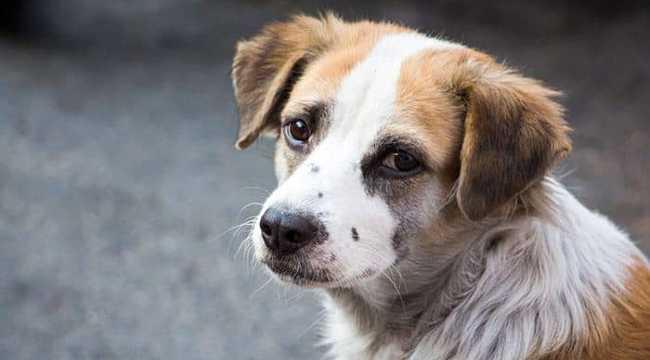
The Turkish Veterinary Medical Association (TVHB) issued a statement regarding the increase in animal deaths following the enforcement of the street animals regulation. The statement emphasized, “The state is the owner of stray animals. Just as the state is responsible for protecting people and the environment, it is also responsible for protecting all animals, especially stray animals, which are part of the environment.”
Following the legislative change that opened the door to the killing of animals living on the streets, there has been an increase in animal deaths across Turkey. TVHB released a written statement calling for an end to violence against animals, stating, “Violence against animals is a crime and must be stopped.” The statement also noted, “The spiral of increasing violence against animals, which has escalated with the acceptance of the legislative change, has also harmed the protection of ‘everyone’s right to live in a healthy and balanced environment,’ which is guaranteed by Article 56 of the Constitution.”

The statement from TVHB continued as follows:
“The amended articles of the Animal Protection Law have not changed the penalties for crimes and unjust actions against animals. The penalties outlined under Article 28/A of Law No. 5199 on Animal Protection for crimes committed against owned or stray animals remain in effect. According to this, deliberately killing, torturing, treating cruelly, engaging in animal fighting, or committing sexual assault against an animal are punishable by imprisonment. The law also stipulates that if these crimes are committed against multiple animals simultaneously, the penalty shall be increased by half. Additionally, those who incite these crimes will also be criminally liable under Article 38 of the Turkish Penal Code.
“EUTHANASIA IS FOR CASES THAT REQUIRE MEDICAL NECESSITY”
The law does not grant any authority for the killing or culling of stray animals for population control. The amendment refers to Article 9/3 of Law No. 5996 on Veterinary Services, Plant Health, Food, and Feed, which prohibits euthanasia except for medically necessary situations and restricts the conditions under which it can be performed. The conditions that necessitate euthanasia must be clearly established. The euthanasia mentioned in the law is not for population control, killing, or granting the authority to kill stray animals but is for limited situations that require medical necessity.
The state is responsible for protecting both people and animals in the most humane and scientific ways, particularly taking the necessary measures against crimes committed against stray animals and effectively punishing those who commit crimes against animals to protect the public’s right to live in a healthy and balanced environment, ensure confidence in the law, and establish justice.
“THIS LAW SHOULD BE REVOKED IMMEDIATELY”
The state is the owner of stray animals. Just as the state protects people and the environment, it is also responsible for protecting all animals, especially stray animals, which are part of the environment. Mistreating animals using public power is unlawful, and the state is also responsible for preventing such mistreatment by others using public power. Therefore, it should be clearly communicated to the public that the penalties for crimes against animals are effective and deterrent, and that the changes made to Law No. 5199 on Animal Protection do not grant anyone the right to torture, abuse, or kill animals, and that these actions are punishable by imprisonment. Furthermore, this law, which contains vague expressions that are not based on science and are incompatible with animal health and welfare, should be revoked immediately to avoid further harm to social peace, health, and harmony. Immediate action should be taken to implement the steps necessary for the enforcement of the Animal Protection Law, which was enacted in 2004 but has not been fully implemented, with efforts to capture, neuter, vaccinate, and maintain the animals in place while also preventing breeding, smuggling, and sale without delay, prioritizing the safety of society and the health and welfare of animals.”