
Carry Trade Flows Reach $4–5 Billion as Foreign Investors Slowly Return to Turkish Assets
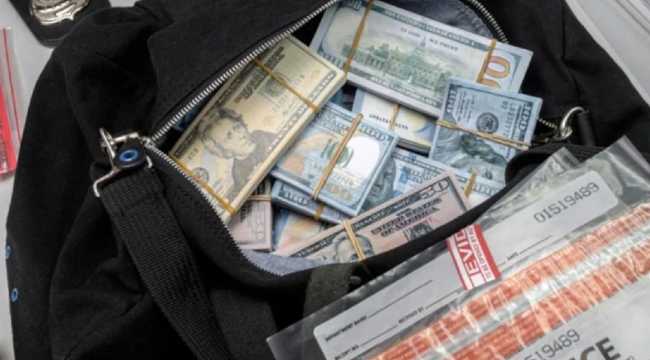
After a period of significant capital flight triggered by political and financial volatility, foreign investors are slowly starting to return to Turkish markets. While equity and bond inflows remain modest, a notable recovery has occurred through the carry trade channel, which has brought in an estimated $4–5 billion, according to İris Cibre, Board Member at Pusula Portfolio Management.
Political Shock Sparked Outflows
The exit of foreign investors began on March 19, following the detention of Istanbul Mayor Ekrem İmamoğlu — a political move that sparked market turbulence. The reaction was swift, with large volumes of capital leaving Turkish lira (TRY) assets.
However, recent weeks have shown signs of a rebound, particularly via carry trade, a strategy where investors borrow in low-interest-rate currencies and invest in higher-yielding ones like the Turkish lira.Short-Term, High-Yield Flows
According to İris Cibre, the current wave of carry trade inflows is highly short-term and speculative. These funds typically enter on Thursdays, take advantage of three-day swap interest, and exit by Monday. This rapid in-and-out cycle makes the capital “hotter” than usual — highly sensitive to risks and quick to flee at the first sign of instability.
Cibre explained:

“They come in on Thursday, perform a swap, and collect interest for three days. Then they close their dollar positions on Friday and leave by Monday. It’s even more short-term than before.”
Despite the speculative nature of these inflows, Cibre pointed out one positive development: unlike previous periods, foreign investors are now also allocating small portions to Turkish stocks and government bonds. This marks a subtle but important shift toward more diversified positioning.
Estimated $20 Billion Still in the System
Cibre estimates that the total foreign capital currently parked inside Turkey could be around $20 billion, including funds that were unable to exit after March 19. The Central Bank of Turkey has reportedly purchased approximately $14 billion at its lowest point, much of which came from exporters’ FX sales and domestic dollar deposits.
She added:
“Compared to last year, what’s better now is that they are not only doing carry trades. There is also some entry into stocks and bonds. I estimate $5–6 billion may have entered, and the Central Bank’s purchases included both carry trade inflows and domestic sources.”
Cibre described some of the current foreign funds as “kamikaze funds,” referring to aggressive short-term capital often associated with high-risk strategies. She noted that even global banks like BofA (Bank of America) are participating, albeit with very limited exposure.
“These funds operate on a hit-and-run model. They’re always ready to be the first to exit.”
Asset Management Sector Set for Growth
Pusula Portfolio’s General Manager Ayşe Seher Aydın, also speaking at the press meeting, noted that while investment funds have seen a slight slowdown, the broader asset management industry continues to grow. She said:
“With private portfolio management, investment trusts, pension funds, and mutual funds combined, portfolio management firms are now overseeing more than 7.6 trillion lira in assets. By the end of the year, we expect this to reach 12 trillion lira.”
In summary:
While the return of foreign capital to Turkey is cautious and largely speculative, it signals a tentative stabilization. Carry trade flows dominate the current landscape, but any further commitment to equities and bonds could hint at growing investor confidence — if political and financial conditions continue to stabilize.
source: ekonomim.com (Şebnem TURHAN)