
Despite sanctions, cash flow to Russia continues
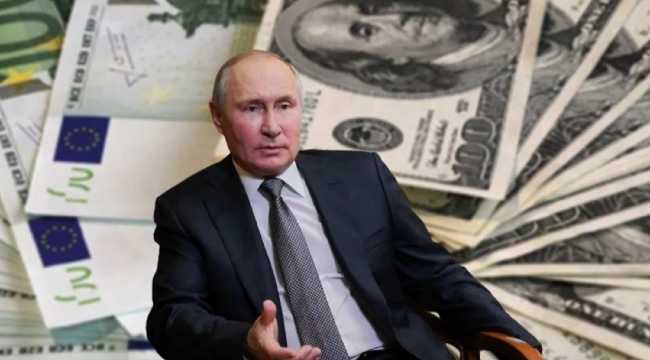
According to Reuters, despite sanctions, approximately $2.3 billion worth of dollars and euros have been shipped to Russia. Customs data accessed by Reuters indicates that since the U.S. and EU banned the export of banknotes to Russia following the invasion of Ukraine in March 2022, about $2.3 billion in cash has been sent to Russia.
The customs data, obtained by Reuters from a supplier, shows that cash transfers to Russia are coming from countries like the UAE and Turkey, which have not imposed restrictions on trade with Russia. More than half of the total amount’s country of origin is not specified in the records.

In December, the U.S. government threatened to sanction financial institutions aiding Russia in circumventing sanctions and imposed sanctions on companies from third countries in 2023 and 2024. While the Chinese yuan has overtaken the dollar as the most traded foreign currency in Moscow, significant payment issues persist.
An investment director at Astra Asset Management in Russia, stated that many Russians still desired foreign currency for international travel, small imports, and domestic savings. He remarked, “For individuals, the dollar remains a reliable currency.”
The Russian Central Bank and the U.S. sanctions authority, the Office of Foreign Assets Control (OFAC), did not respond to requests for comment, while the customs records cover the period from March 2022 to December 2023. Reuters noted that it could not access more recent data.
In 2022, Russia began labeling the dollar and euro as “toxic” as comprehensive sanctions restricted its access to the global financial system, impeding payments and trade. About $300 billion of the Russian Central Bank’s foreign exchange reserves in Europe were frozen.
A European Commission spokesperson said they could not comment on individual cases of sanctions enforcement but noted that the EU engages with third countries when it suspects sanctions are being circumvented.