Drunk Driving Could Become a Thing of the Past: Cars That Detect Intoxication on the Way
A New Era in Driver Monitoring
Automotive technology is entering a new phase where monitoring the driver is becoming just as important as monitoring the road. Japanese tech giant Mitsubishi Electric has unveiled a groundbreaking system that can detect whether a driver is under the influence of alcohol—without requiring breathalyzers or physical contact. Instead, the system relies solely on an in-cabin camera powered by advanced artificial intelligence. Unsurprisingly, the technology has already sparked heated debate among drivers.

Beyond Autonomy: A Different Direction
While companies like Tesla continue to push the boundaries of autonomous driving, Mitsubishi Electric is taking a different approach. Rather than focusing only on self-driving capabilities, the company aims to integrate this driver-monitoring technology into conventional vehicles, adding a new layer of safety and control.
Your Car as a Digital Traffic Officer
With this system in place, your car effectively becomes a digital traffic police officer. If the technology is installed, getting behind the wheel while intoxicated may become virtually impossible. The vehicle continuously observes and evaluates the driver, stepping in when necessary.
How the System Works
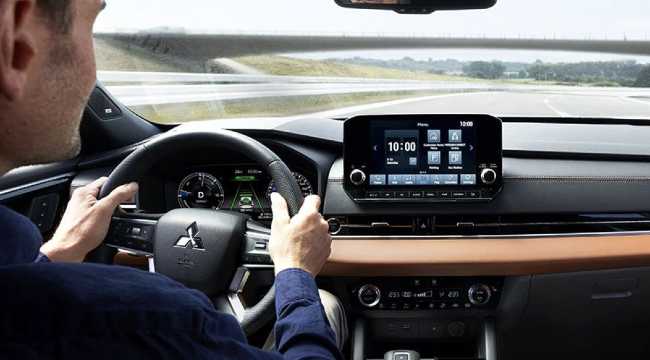
What makes this technology truly revolutionary is how it operates. The in-car driver monitoring camera doesn’t just check whether your eyes are open. Using Mitsubishi Electric’s Maisart AI, it analyzes subtle facial cues and eye movements to detect drowsiness or loss of focus. More impressively, it can measure the driver’s pulse without any physical contact. Alcohol consumption causes micro-changes in facial blood vessels and heart rate, and the camera is capable of detecting these signals with high accuracy.
According to Mitsubishi Electric officials, even when alcohol-related facial changes are barely noticeable, pulse variations provide a reliable indicator of intoxication.
Driving Behavior Under the Microscope
The system doesn’t rely on facial data alone. It also evaluates driving behavior, such as steering patterns, sudden braking, and unnecessary acceleration. When both facial indicators and driving data point toward impairment, the AI activates what it describes as an “intoxication detection” mode.
What Happens If You’re Detected?
This is where the biggest questions arise. Mitsubishi Electric states that the system will issue driver warnings and, if needed, intervene in vehicle control. While the exact scope of intervention hasn’t been fully detailed, possible scenarios include forcibly reducing the vehicle’s speed, safely pulling over and immobilizing the car, or even notifying authorities.
When Will It Arrive?
The company has confirmed that the system complies with European and U.S. regulations and suggests it could be integrated into vehicles as early as 2026. In other words, the day when your car tells you, “If you’re sober, drive. If not, step out,” may be much closer than we think.
Keywords:
#drunkdriving #automotivetechnology #driversafetysystems #mitsubishielectric #aiincars #smartvehicles #driverMonitoring #roadsafety #futureofmobility