
Economy in Turkey: Deposit Interest Income Shifted to Real Estate and Automobiles
The surge in deposit interest income in Turkey did not remain in savings accounts but flowed largely into housing and car purchases. While high interest rates boosted TL deposits under the tight monetary policy since June 2023, the gains investors made were not fully reinvested. Instead, a significant portion was diverted into consumption, particularly in the property and automotive markets.
TL Deposits Grew but Below Expectations

According to Banking Regulation and Supervision Agency data, individual TL deposits rose from 4.5 trillion lira in August last year to 8.5 trillion lira this August, marking a 32.45 percent increase. However, Pusula Portfolio Management Board Advisor İris Cibre’s calculations show that with the average TL deposit interest rates applied during the same period, compound interest should have pushed growth to 60 percent. In that case, deposits should have reached 10.3 trillion lira. This means more than 1.76 trillion lira in potential interest income was not retained in TL savings.
A Shift Toward Funds and Spending
Cibre’s analysis reveals that some of this capital flowed into money market funds and foreign exchange funds. Money market funds, for instance, grew far beyond the expected yield, climbing from 986.8 billion lira to 2.12 trillion lira. Similarly, foreign exchange funds doubled from 1.2 trillion to 2.4 trillion lira, also exceeding the compound return calculation.
After adjusting for these inflows, a net of about 281.4 billion lira was spent rather than saved. Cibre underlined that this portion did not move into foreign currency deposits either, as FX accounts increased only marginally once exchange rate effects were stripped out. Effectively, nearly 21 percent of TL deposit income was consumed.
Where Did the Money Go?
The spending pattern became visible in the real estate and automotive markets. Housing sales data from the Turkish Statistical Institute confirmed a 12.4 percent annual increase as of July, with cash transactions rising nearly 8 percent and mortgage-backed purchases soaring by over 60 percent. Between January and July, total housing sales jumped 24.2 percent compared to last year, with mortgage transactions up 93.2 percent and cash sales up 17.1 percent.
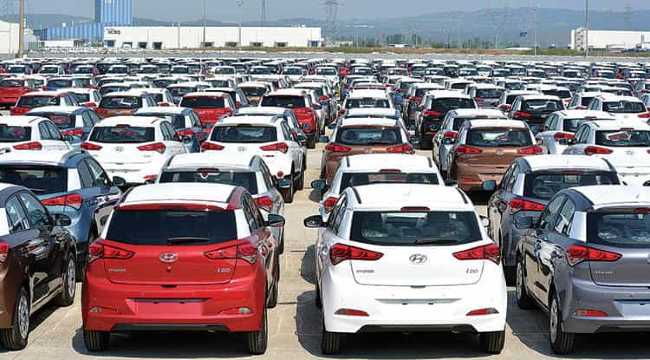
The auto market, particularly the luxury segment, also reflected this trend. Total vehicle sales climbed 18 percent, while some luxury brands experienced sales increases two to three times higher than the previous year.
Unequal Impact of High Real Interest Rates
Cibre pointed out that Turkey currently offers the highest real interest rates globally. While this policy erodes purchasing power for many, it has boosted wealth for a smaller, stronger investor group. This segment significantly increased its returns and used the gains to buy homes and luxury cars rather than reinvesting in deposits.
The combination of tight monetary policy, rising individual credit (up 46 percent in the same period), and expanded money supply (up 36 percent) has reshaped savings and spending behavior. As a result, nearly 300 billion lira that should have remained as savings has instead been channeled into property and automobile purchases, fueling both markets.