
Economy in Turkey: Reserves Are Stronger, But Still $68 Billion Short of the Ideal Level
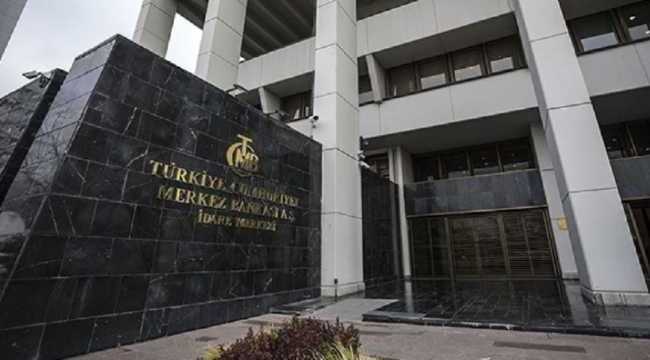
Turkey’s central bank has made visible progress in rebuilding its foreign currency reserves. According to international standards used by the IMF, reserve strength has reached its highest level ever. As of October 2025, Turkey’s reserve adequacy ratio rose to 114.2%, meaning reserves are now above the minimum level considered safe.
Still, this improvement does not mean everything is ideal. Even after this progress, Turkey’s reserves remain well below the level seen as fully comfortable.

When currency swap deals with other central banks are excluded, Turkey’s reserves are about 12.4 billion dollars above the minimum safety level. However, they are still roughly 68 billion dollars short of what the IMF considers the ideal level.
Reserves Are Growing Under Tight Policies
Since mid-2023, the Central Bank of the Republic of Turkey has followed a strict monetary policy and used favorable market conditions to rebuild its reserves. Thanks to this approach, reserve levels have steadily improved.
An economist notes that if people continue moving away from holding foreign currency and foreign investors keep bringing money into Turkey, the central bank will have plenty of room to further increase its reserves.
Why the IMF’s View Matters
The IMF measures how strong a country’s reserves are using a system called “Assessing Reserve Adequacy,” or ARA. For many years, the IMF treated Turkey as a country with a freely floating exchange rate, meaning the value of the lira is mostly set by the market.
However, after a review in 2024, the IMF changed how it classifies Turkey’s exchange rate system, placing it in a different category starting from 2022. Because of this, the IMF now also looks at Turkey using formulas designed for countries with more controlled exchange rates.
The economist argues that Turkey’s system is still more flexible than a fixed exchange rate and believes a middle-ground approach would better reflect reality. For this reason, the analysis looks at both methods.
In general, the IMF considers a reserve level safe when it reaches 100% of the ARA measure. The ideal level is set at 150%.
Safe, But Not Comfortable Yet
By the end of October, Turkey’s total reserves had risen to 183.6 billion dollars. Under the floating exchange rate method, this puts Turkey clearly above the safety threshold.
However, when the stricter fixed exchange rate method is used, reserves still fall short. This shows that while Turkey’s position has improved, it is not yet strong enough to be considered fully comfortable by all international standards.
In short, Turkey’s reserves are no longer in the danger zone, but reaching the ideal level will require more time, continued stability, and sustained inflows of foreign currency.
Keywords: #centralbank #reserves #reserveadequacy #imf #ara #floatingexchangerate #turkeyeconomy #foreignreserves #monetarypolicy