
Escalating Schengen Visa Crisis: Rejection Rates and Appointment Challenges Impact Turkish Citizens
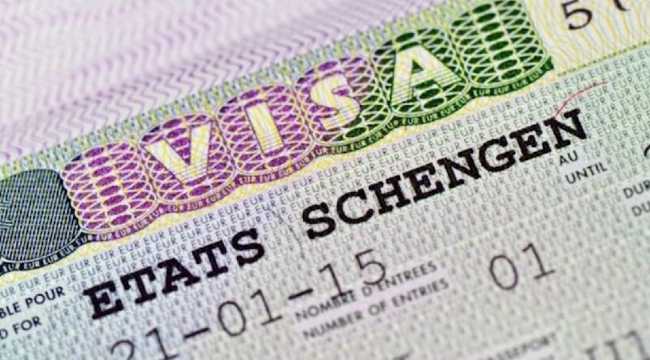
The Schengen visa crisis for Turkish citizens has intensified significantly over the past four years, with rejection rates rising from 9.7% in 2019 to 16.1% in 2023. This surge has made even securing a visa appointment a notable achievement due to severe quota limitations. Firuz Bağlıkaya, the head of the Association of Turkish Travel Agencies (TÜRSAB), highlighted that these limitations were effectively restricting people’s freedom to travel.
As summer approaches, Turkish citizens planning vacations abroad face substantial hurdles due to these visa issues. Schengen countries have filled their visa appointment schedules until the end of May, and Italy’s appointments are closed until the end of June. For first-time U.S. visa applicants, appointments are being scheduled as far into the future as September-October 2025.

PANDEMIC-ERA INTENSIFICATION AND ONGOING ISSUES
Bağlıkaya noted that the visa issues, which started to intensify immediately after the pandemic, had worsened each year. Visa intermediary agencies are not accepting applications within the scope of travel agencies’ overseas tour sales, severely impacting the operations of TÜRSAB members who organize these tours. This has led to a significant slowdown in their businesses.
APPOINTMENT BOOKING DIFFICULTIES
Since mid-2023, practical issues with securing visa appointments have become apparent. Limited quotas occasionally open at midnight, and only those who manage to register quickly enough online can secure an appointment. Bağlıkaya criticized intermediary agencies for allocating appointments to their own established agencies, further complicating the process. He also pointed out that there is a non-refundable visa fee of around 80 euros and an additional appointment fee of about 40 euros.
INCREASING REJECTION RATES AND APPLICATION CHALLENGES
In 2019, the rejection rate for Turkish citizens’ Schengen visa applications was 9.7%. According to the latest data from the European Commission, this rate increased to 16.1% in 2023, with 1.055 million Turkish citizens applying for visas that year. Bağlıkaya emphasized that the number of citizens unable to apply due to quota issues far exceeds those who managed to submit their applications. By 2024, merely being able to apply for a visa has become a separate success. The exact percentage of successful applications among those seeking visas remains unclear due to the inability to secure appointments.
Bağlıkaya compared Turkey’s statistics with those of other countries, revealing a troubling disparity. For example, in 2023, 1.117 million Chinese citizens applied for Schengen visas, with a rejection rate of 5.5%. Despite similar application numbers, the rejection rate for Turkish applicants is three times higher.
IMPACT ON TRAVEL AGENCIES
Bağlıkaya stressed that travel agencies are the most affected by these issues. Preventing Turkish citizens from even applying for visas is a major issue. While not issuing visas might be a policy decision of the concerned countries, not allowing applications at all is creating significant problems. This situation is severely impacting travel agencies, leading to a substantial slowdown in their business operations.
CALL FOR HIGH-LEVEL INTERVENTION
Bağlıkaya hopes for a swift resolution to this problem, emphasizing that resolving it is beyond the capacity of travel agencies and requires intervention from high-level government officials, such as the President and the Foreign Minister. What initially was presented as a security and quota issue has now evolved into a human rights issue, as it restricts people’s freedom to travel.