Excavations That Will Rewrite History: Important Archaeological Work in Turkey
Turkey, as the cradle of civilizations, is home to significant archaeological excavations that are rewriting history. While the discovery of Göbeklitepe has provided a new perspective on the origins of human history, excavations in regions such as Şanlıurfa, Mardin, Ankara, and İzmir are also reshaping our understanding of the past.
1. Göbeklitepe and the Stone Hills

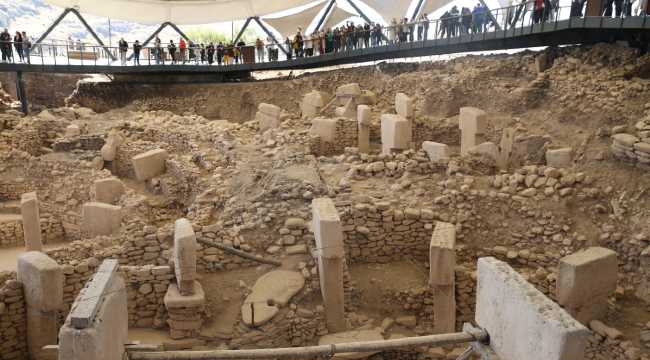
Göbeklitepe, discovered in the 1960s when a villager found a statue, is a 12,000-year-old archaeological site that has fundamentally changed our understanding of history. However, not only Göbeklitepe but also the Stone Hills (Taş Tepeler) area in Şanlıurfa has become a significant discovery site. Excavations at 13 hills, including Karahantepe, Sayburç, and Sefertepe, are expected to provide new insights into human history, religion, agriculture, art, and urbanization. The discovery of animal and human statues in these areas offers important data about early cultures.
2. A New Promotion Campaign for the Stone Hills
The Ministry of Culture and Tourism has launched a comprehensive promotion to establish the Stone Hills as an archaeological destination, including creating a website. These efforts are accelerating excavations while also organizing tours to the region from abroad.
3. Boncuklu Tarla
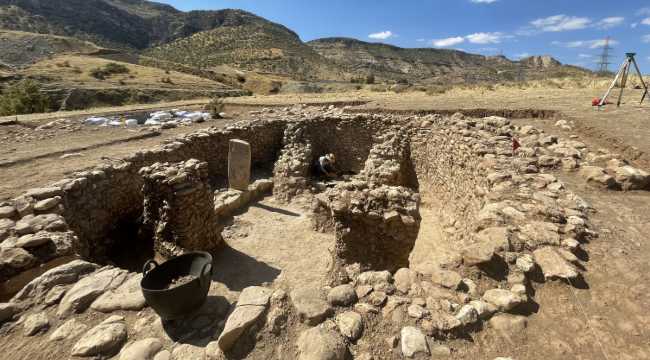
Boncuklu Tarla, located in the Dargeçit district of Mardin, is known for its Neolithic remains. This site, which provides data from 1,000 years before Göbeklitepe, has revealed important findings related to the cultivation of wheat and barley. Excavations began in 2012, and like Göbeklitepe, it offers clues about the lives of early agricultural societies.
4. Underground City and the Bible
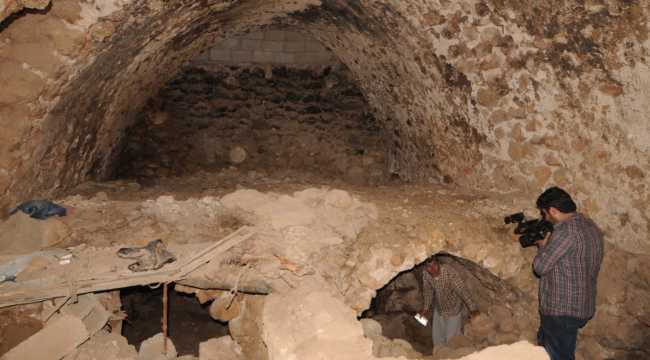
An underground city discovered in the Midyat district of Mardin is attracting attention with its temples, grain stores, and water wells. With less than 10% of the excavation completed, this city may provide valuable insights into early Christianity. There is also a significant possibility of discovering early Bible manuscripts, which adds to the importance of this excavation.
5. Tavium Ancient City
The Tavium Ancient City in Yozgat, with a history spanning 6,000 years, has revealed significant findings related to the Roman, Hittite, Phrygian, and Galatian civilizations. Additionally, Bronze Age artifacts have been discovered. Tavium, located at a crossroads of trade routes, is expected to provide valuable data about several civilizations. The theory that the ancestors of Germans, Irish, and Scots may have migrated from this region adds further value to the excavation.
6. Excavations at Gordion
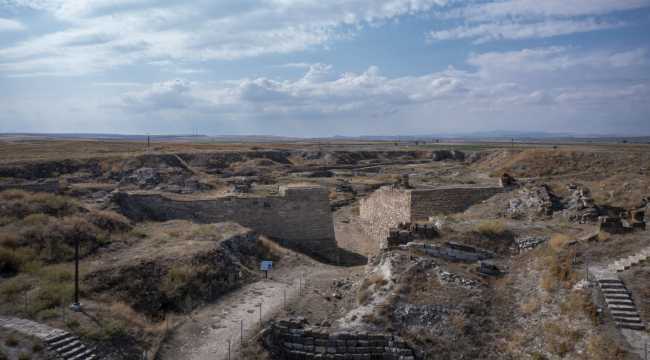
Excavations in Gordion, the capital of the Phrygian Kingdom, have been ongoing intermittently for nearly a century. The discovery of King Midas’ tomb and mosaics, along with the world’s oldest wooden building, stone mosaics, and examples of textiles, is shedding light on this ancient city. When completed, Gordion excavations are expected to provide new information about the Bronze Age, Iron Age, Persian, Phrygian, Hellenistic, Roman, and Ottoman periods.
Conclusion
Archaeological excavations in Turkey are reshaping both the writing of history and the preservation of cultural heritage. These excavations are revealing previously unknown aspects of the past and initiating a significant historical discovery process on a global scale.