
Israel, Iran and a Path to War: “How It All Unraveled”
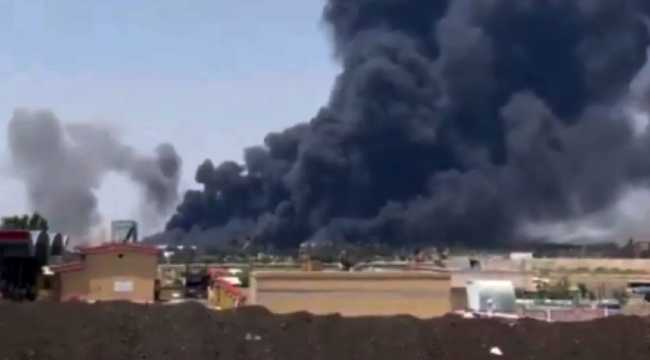
Israel’s latest military push against Iran didn’t happen in a vacuum. Behind the headlines is a web of long-standing power plays, legal gray areas, and collapsing deterrents.
A Prime Minister Playing with Fire

Benjamin Netanyahu isn’t just fighting political battles in the Knesset—he’s betting on regional chaos to save his leadership. War, for him, is a potential lifeline. But what’s really driving Israel’s aggression toward Iran is something bigger: the belief that Iran’s regime is now weak enough to be toppled militarily.
With Washington and Brussels behind it, Israel has launched moves that not only sidestep international law but aim to gut Iranian sovereignty under the guise of security and nuclear concerns.
Law, Loopholes, and Ignored Avenues
Since 2023, Israel has launched strike after strike on Iranian targets—actions that blatantly violate the UN Charter. Iran, as a recognized sovereign state and UN member, has the right to protection under international law.
And if Israel had legitimate concerns? There are diplomatic and legal routes for that. But it skipped all of them. Why? Because there was no real case—only a narrative, repeated loudly by Israel, the U.S., and Europe: “Iran is building nukes.”
Yet the IAEA looked into those claims thoroughly and found nothing. Iran has stayed within the rules of its civilian nuclear program. Religious leadership in Iran even issued a fatwa against nuclear weapons. Still, the myth of a looming Iranian bomb remains politically useful.
The Middle East’s Forbidden Idea
Iran has long called for a nuclear-free Middle East. Strange coming from the nation accused of wanting nuclear arms? Not really. What’s stranger is the West’s repeated rejection of the idea.
Why reject it? Because Israel would have to give up its unacknowledged—but widely known—nuclear arsenal. Israel is the only country in the region with nuclear weapons, yet it has never admitted it, nor signed onto any nonproliferation agreements.
Western powers and the UN have never seriously pressed Israel on this, because denuclearizing Israel is politically untouchable. That’s the double standard—and it’s exactly why the region remains volatile.
Israel’s Real Ambition: Nuclear Monopoly
Forget coexistence. Israel’s priority is clear: be the one and only nuclear power in the Middle East. It’s not just about defense—it’s about dominance. In fact, it’s starting to resemble a heavily armed outpost for American military interests, with a civilian front.
Israel doesn’t oppose state sovereignty—it just opposes governments that support Palestinian liberation. If Iran reversed its stance and played ball with the U.S., Israel’s hostility might vanish overnight.
Assassinations and Openings: The Soleimani Strike
Back in January 2020, the U.S. took out Iranian General Qasem Soleimani in a drone strike at Baghdad Airport. He wasn’t just any general—he led Iran’s Quds Force, coordinating military influence across the region.
Soleimani’s death was a signal: the gloves were off. What followed was a systematic effort—by Israel and its Western allies—to dismantle the so-called “Axis of Resistance,” Iran’s coalition of regional allies, militias, and proxy forces.
This included Hezbollah in Lebanon, Iranian-aligned fighters in Syria and Iraq, Palestinian resistance groups, and the Houthis (Ansarullah) in Yemen. Together, they were Iran’s counterweight to Western and Israeli firepower.
From Gaza to Damascus: Targeting Iran’s Backup Plan
When Israel intensified its assault on Gaza, it also seized the moment to go after Iran’s support network. With Western approval, it expanded operations across the region.
On September 27, 2024, Israel launched a devastating air campaign in Lebanon, reportedly killing Hezbollah leader Hassan Nasrallah. Though Hezbollah survived, the blow was significant.
In Syria, Israeli strikes aimed at military supply routes and key locations between Damascus and Idlib—coordinated with U.S. intelligence—cleared the path for insurgents to push into the capital. Assad’s government fell on December 8, 2024. That collapse stripped Iran of a major strategic foothold across the Levant.
Meanwhile, in Yemen, continued U.S. airstrikes targeted Houthi military assets, including their long-range missiles—considered one of the few tangible threats to Israel.
By the start of 2025, Iran’s ability to deter an Israeli assault had essentially disintegrated.
A Green Light for War
With Iran’s defensive alliances broken, Israel began signaling openly that war was on the table. Netanyahu, facing internal pressure from far-right allies demanding military exemptions, saw this as a win-win: rally support, dodge political collapse, and push a national-security agenda.
But this wasn’t just about short-term politics. Israel’s leadership believed the timing was perfect to deliver a knockout blow to Tehran.
Iran, hoping to prevent escalation, re-engaged with nuclear talks under IAEA oversight. But Israel had already made its move. Tehran’s diplomacy didn’t stop the attack—because there was never a plan to let it.
What Now?
By exploiting Iran’s moment of weakness, Israel launched a high-risk strike that could spiral into something much bigger. Whether this leads to a wider regional war—or resets the balance of power—depends on what comes next.
One thing is clear: the fragile system that once held the conflict in check has collapsed. And whatever fills that vacuum, it’s unlikely to be peace.
original source: birgün (article by Vijay PRASHAD) – translated and edited by BTT