
Turkey Uses Partridges and Pheasants to Fight Rising Tick Cases Naturally
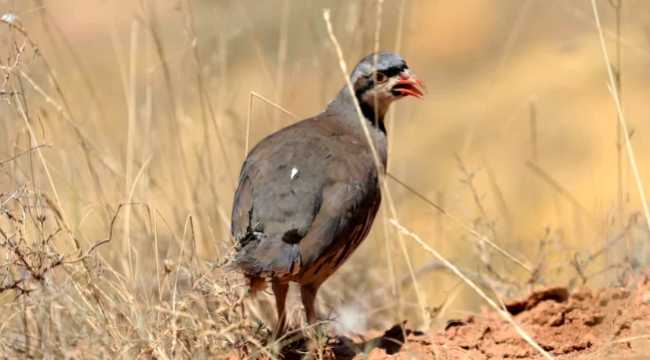
As summer heats up, so do concerns about tick bites across Turkey. The Directorate General of Nature Conservation and National Parks (DKMP) has taken to social media to announce that tick cases are on the rise and that they’re actively responding—with a little help from nature itself.
One of their key strategies is the release of partridges and pheasants into the wild. These birds, especially when they’re young, feed on insects like tick larvae and nymphs. By doing so, they help reduce the number of ticks in rural and semi-natural areas. Partridges, in particular, are natural insect hunters during their first three months of life, after which their diet shifts more toward seeds.

The DKMP has been running this bird-release program for over a decade. Since 2014, they’ve released hundreds of thousands of partridges and pheasants into the wild to support ecological balance and assist in natural pest control. And their efforts are far from over—the plan is to continue releasing tens of thousands more birds by the end of 2025.
To protect the birds and allow them to do their job effectively, the areas where they’re released are closed off to hunting for three years. Anyone caught hunting them illegally could face fines, as these birds are not just part of Turkey’s wildlife but also a key part of the country’s fight against ticks.
It’s a fascinating example of how natural ecosystems can be used to solve public health problems—and a reminder that sometimes, nature already has the tools we need.