
Istanbul Governor’s Office Orders Urgent Collection of Stray Animals Ahead of School Season
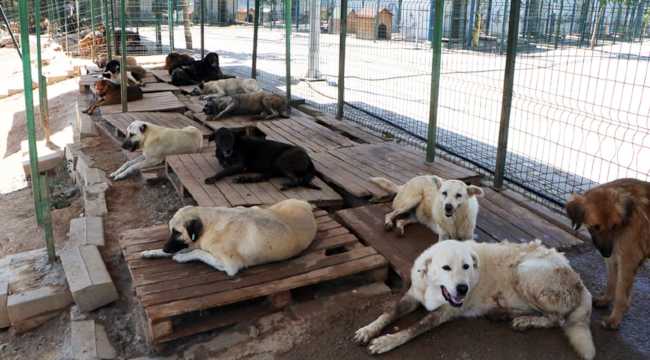
The Istanbul Governor’s Office, led by Governor Davut Gül, has issued an urgent directive regarding stray animals, particularly stray dogs, just before the start of the 2025–2026 school year. The directive was formally communicated to the Istanbul Metropolitan Municipality and all 39 district governorates, calling for the immediate collection of stray animals from areas with high human activity—especially school surroundings.
This move was prompted by a surge in public complaints about dogs roaming in packs in residential and school zones. The Governor’s Office raised concerns over public safety, predicting that such complaints and risks may increase further with the reopening of schools. The measure is framed as a preventive step to protect public health, maintain order, and ensure safety, especially for children.

The decision is legally supported by Turkey’s recently updated Animal Protection Law (Law No. 5199) and the Implementation Regulation, which came into force in late 2024. According to Article 6 of the law, stray or weakened animals must be swiftly taken to shelters established or authorized by municipalities. Article 7(a) of the regulation reaffirms that this task lies with local governments.
In line with the updated legal framework, a special commission was created and began working in March 2025, conducting monthly inspections and submitting reports to the central Ministry. These inspections are meant to ensure that municipalities are complying with the law.
The primary focus of the collection efforts will be schools and densely populated urban areas, where the perceived risk is highest. The Governor’s Office has stressed the urgency and legal obligation of local authorities to act in accordance with the new guidelines.
However, this directive is expected to reignite public debate over the treatment of stray animals. While officials argue the move is about protecting citizens, especially children, animal rights groups and urban policy advocates may view it as a threat to animal welfare, especially if not handled transparently and humanely.
In conclusion, this policy marks a critical juncture in Istanbul’s approach to managing its stray animal population. It could either pave the way for more structured and humane solutions, or deepen divisions between public safety concerns and animal welfare advocacy as the new school year begins.