
Istanbul Hosts Russia-Ukraine Peace Talks: A New Chapter in the War
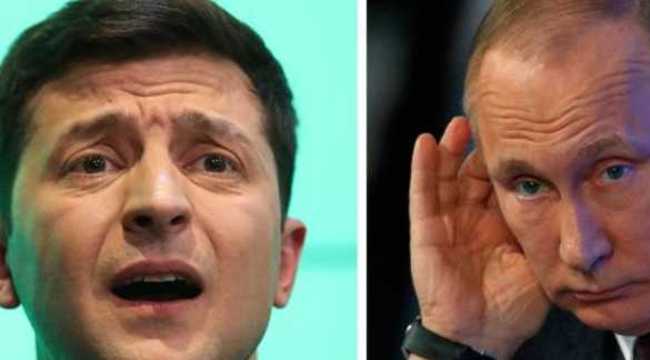
On May 15, 2025, Istanbul is hosting pivotal peace talks between Russia and Ukraine, marking what many see as a hopeful turning point in the more than three-year-long conflict. The meetings are taking place in a context where both sides appear increasingly war-weary and more open to dialogue. The diplomatic pressure for a resolution has notably intensified since U.S. President Donald Trump assumed office.
Leadership Participation and Diplomatic Movements
Though there had been speculation about the possible attendance of Russian President Vladimir Putin and Ukrainian President Volodymyr Zelenskyy at the talks, neither leader is expected to be present in Istanbul. Zelenskyy is scheduled to meet President Recep Tayyip Erdoğan in Ankara, while U.S. Secretary of State Marco Rubio is in Antalya for a NATO summit and is expected to meet Turkish Foreign Minister Hakan Fidan. President Trump previously indicated he would attend the talks if both Putin and Zelenskyy were present, but following confirmation that Putin would not attend, U.S. officials announced Trump would not travel to Turkey either.

What Do the Parties Want? Ukraine and Russia’s Demands
Ukraine insists that a comprehensive ceasefire must precede any meaningful negotiations. Kyiv, supported by major European nations, maintains that peace cannot be discussed while active fighting and civilian suffering continue. As a show of good faith, Ukraine is demanding a 30-day ceasefire from Russia. In the longer term, Ukraine seeks the return of all occupied territories, binding security guarantees, support for its EU and NATO membership, foreign peacekeeping forces on the ground, and war reparations to fund the country’s reconstruction.
Russia, by contrast, believes that a ceasefire should come as a result of negotiations, not a precondition. Moscow asserts it holds military superiority—especially after pushing back Ukrainian forces in the Kursk region—and fears that a ceasefire would allow Ukraine to regroup and launch new offensives. Russia refuses to withdraw from Crimea or the Donbass region and demands that any eventual agreement lead to the lifting of Western sanctions. Another key Russian demand is a formal guarantee that Ukraine will not join NATO.
The U.S. Position and Trump’s Peace Efforts
President Trump has made ending the Russia-Ukraine war one of his top foreign policy goals. He has consistently emphasized the need for a lasting agreement and warned that the side prolonging the conflict would face the strongest possible sanctions. Trump has used this diplomatic initiative to project himself as a global peacemaker, reinforcing his leadership image. His administration continues to apply pressure on both Moscow and Kyiv to commit to a negotiated resolution.
Turkey’s Strategic Role
Turkey views its hosting of the peace talks as a key opportunity to affirm its regional and global diplomatic influence. President Erdoğan’s capability to directly communicate with leaders such as Putin, Zelenskyy, and Trump places Turkey in a unique mediating position. Since the beginning of the war in February 2022, Turkey has been actively involved—hosting early talks between foreign ministers in Antalya and launching the Black Sea Grain Initiative, which helped export 33 million tons of Ukrainian and Russian grain before being suspended by Moscow in 2023. Turkey continues to propose alternative solutions to revive grain exports and remains committed to promoting peace.
Significance and Impact of the Istanbul Talks
These Istanbul discussions represent the most substantial effort yet to create a platform for renewed peace negotiations between Russia and Ukraine. The recent statements by both Putin and Zelenskyy indicating readiness for direct talks, and the backing of the United States, have reignited hope for a breakthrough. Turkey positions itself not only as a host but as an architect and facilitator of peace. The outcome of these talks could shape not just the future of the two warring nations, but also the broader stability of the region and the global order.