
Salmonella Risk in Eggs! Be Sure to Wash Your Hands After Touching Them
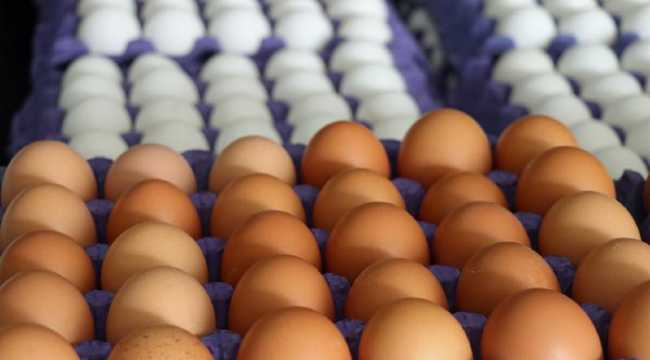
The Turkish Food Industry Employers’ Union (TÜGİS) highlighted food safety during World Health Week. In a statement made through TÜGİS’s Scientific Advisory Board, attention was drawn to the Salmonella bacteria, and the necessary precautions were listed. The statement emphasized that the bacteria posed a significant risk, particularly for children, the elderly, and individuals with weakened immune systems.
Important Warnings About Foods with Salmonella Risk

TÜGİS also issued critical warnings regarding foods that carried the risk of Salmonella during World Health Week. The statement mentioned that Salmonella could cause severe infections and food poisoning, and it stressed the preventive role of hygiene measures.
TÜGİS Board Chairman stated, “Access to safe food is everyone’s basic right, and we are working tirelessly to protect that right. As TÜGİS, we continue to inform the public based on scientific data about risks like Salmonella. With World Health Week as an opportunity, we aim to spread these efforts to a wider audience. We continue to collaborate with all stakeholders to maintain hygiene and quality standards across the supply chain, from producers to consumers, and share the necessary measures with the public through the TÜGİS Scientific Advisory Board.”
Salmonella Risks in Poultry, Contact with Animals
Salmonella infections are particularly dangerous for children, the elderly, and those with weakened immune systems. This bacteria can lead to diarrhea, fever, and abdominal pain and spreads easily when food is prepared under improper conditions. Foods such as raw eggs, raw chicken, turkey meat, red meat, seafood, raw vegetables and fruits, and unpasteurized milk and dairy products are common sources.
Prof. Dr. Nevzat Artık, a member of the TÜGİS Scientific Advisory Board, stated, “There is a risk of Salmonella contamination in foods prepared on surfaces that have been in contact with meat, as well as in foods that have not been stored or reheated properly. The danger is not limited to food; contact with certain animals can also pose a risk. For instance, handling animals such as turtles, snakes, lizards, birds, and chicks can be a source of contamination. Additionally, touching surfaces contaminated with animal fur, feathers, scales, or feces can also lead to contamination.”
Restaurant Orders May Also Carry a Risk
One of the most important precautions to take against Salmonella is hygiene. Raw poultry should not be washed, and after handling eggs, hands should be washed thoroughly with cold water. By adhering to cold chain and hot storage guidelines, it is possible to reduce the risk. However, it is not enough to only take precautions at home. Given the rising trend of eating out, foods that are not produced under proper conditions in restaurants, takeaway orders, or improperly handled foods may also carry a risk of Salmonella.”
Easily Digestible Foods Should Be Preferred
In case of Salmonella contamination, Artık listed the necessary steps to take, “The first and most important step is to replenish fluids and electrolytes lost due to diarrhea. It is crucial for adults to drink plenty of water. For children, rehydration drinks should be consumed under medical supervision. During this process, easily digestible foods should be preferred; foods like bananas, rice, applesauce, and toast are good options.”
What is Salmonella?
Salmonella infection (Salmonellosis) is a common bacterial disease that affects the intestines. The bacteria typically live in the intestines of animals and humans and are excreted through feces. Humans most often become infected through contaminated water or food. Symptoms typically include fever, vomiting, and diarrhea. Salmonella bacteria are responsible for several diseases, including gastroenteritis and typhoid. After being ingested, symptoms typically appear within 12-36 hours and last for 2 to 7 days.
What Are the Symptoms of Salmonella?
The symptoms of Salmonella infection are similar to those of other gastrointestinal infections and can lead to significant fluid loss (dehydration). The symptoms of Salmonella infection include:
- Fever
- Diarrhea
- Loss of appetite
- Headache
- Abdominal cramps
- Chills
- Nausea
- Vomiting
- Blood or mucus in stool