Small Businesses in Turkey’s Southern Coast Are Closing Down – 2025 Season Hits Businesses Hard
In Alanya, even before the tourism season officially ended, many businesses had already shut their doors. Windows now display signs that read “Closing Down,” “For Rent,” or “For Sale.” From well-known retail brands to small local stores, the scene in the town center paints a clear picture of just how tough things have become for local shop owners.
Even in August—traditionally one of the busiest months of the year—some stores in the city center have closed, catching the attention of both locals and tourists. Clothing stores, restaurant chains, and family-run businesses are shutting down, waiting for new owners through “for lease” or “for sale” signs. This shows just how deeply the economic strain is being felt across the southern coast of Turkey.

So, what went wrong this summer? Why did so many shopkeepers and small businesses in Turkey’s tourist hotspots end up struggling?
What’s Gone Wrong for Southern Turkey’s Local Businesses This Summer?
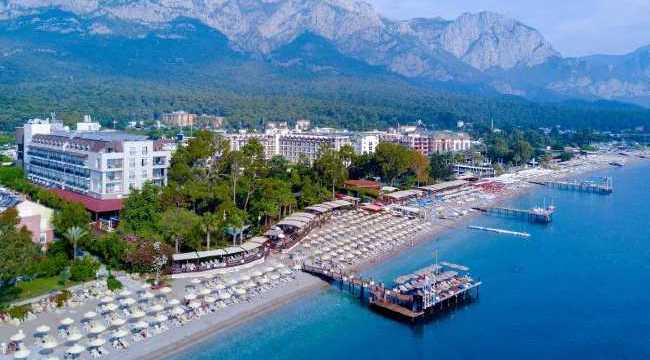
When summer comes to mind in Turkey, most people think of the southern coast—places like Bodrum, Antalya, and Fethiye. Sun, sea, warm nights, and bustling markets are what usually define these towns. But this year, something changed. Many shopkeepers found themselves saying, “There are no customers, we’re not making any money.”
So, what happened?
It turns out, the story of this summer’s decline is tied to several factors that all came together at once.
To begin with, prices have soared. In sectors like food, accommodation, and hospitality, costs have skyrocketed—some by nearly 90% compared to last year. Naturally, shop owners had to raise their prices just to stay afloat. But this led to tourists—both local and foreign—cutting back on their spending. Streets that are usually packed in summer felt noticeably emptier.
Domestic tourism was also affected. More and more Turkish tourists are opting for short getaways—3 to 4 days instead of a week or more. With the rising cost of hotels, transport, and food, vacation budgets are running dry faster than ever. Shorter trips mean fewer opportunities for local businesses to make sales.
The number of foreign tourists also dropped this year. Turkey, once known as an affordable destination, is now being compared in price to countries like Spain and Greece. As a result, many tourists are choosing other Mediterranean countries where they feel they get more value for their money.
On top of that, there was the heat. Some coastal areas hit 45°C (113°F) this summer. Combine that with forest fires, and many tourists either canceled their plans or shortened their stays. Fewer tourists spending less time meant fewer sales for local businesses.
Another major blow came from recent legal regulations. A new law put restrictions on short-term rentals like apartments and villas. Tourists who used to stay in these types of accommodations would spend more time in town—eating out, shopping, exploring. Now, with more people staying in all-inclusive hotels, they rarely leave the premises, meaning nearby businesses lose out on valuable foot traffic.
The situation is even more severe in places like Fethiye and Muğla. Hotels are reporting low occupancy rates, reservations have dropped, and some small businesses are on the brink of bankruptcy. Many are simply trying to survive until the end of the season.
And then there’s the issue of perception. On social media, posts warning about “overpriced” services and “tourist scams” in Turkey have become more common. This has damaged the country’s image abroad. Some potential visitors are now choosing to avoid Turkey altogether, fearing a poor experience.
All these problems combined created a perfect storm. The summer season in Turkey’s southern coast did not meet expectations. Shop owners struggled, tourists felt let down, and the usual buzz of summer was replaced with shuttered shops and half-empty streets.
It seems to be time for a serious rethink—by local shopkeepers, local governments, and national tourism policymakers alike.