Travel Turkey: Where Is Turkish Tourism Headed?
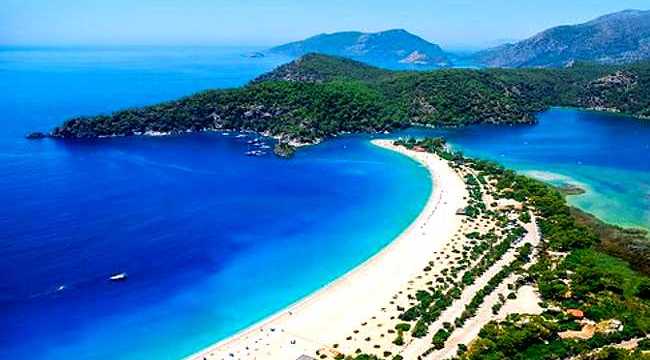
In recent years, Turkey established itself as a rising star in global tourism. Its incredible historical legacy, breathtaking natural beauty, and cultural richness have attracted millions of visitors—and yes, this success was clearly reflected in its tourism revenues.
The Golden Years: Success Built on Hard Work and Heritage
The growth was no coincidence. Behind this rise were well-intentioned, coordinated efforts, and a vision that leveraged the country’s unique assets. Turkey’s heritage and diverse landscape played a major role in making the country a favorite destination for global travelers.

As of 2024 and into early 2025, Turkey’s tourism sector hit new records, with revenues surpassing $61 billion. It was a proud achievement.
June 2025: A Shifting Landscape
However, as we look at the current state of affairs in June 2025, the outlook does not appear as promising. No doubt, one of the primary reasons is unbearable inflation.
What was once a land of affordable luxury has become, for many tourists, unexpectedly expensive. And inflation hasn’t just impacted Turkish citizens—it’s also starting to affect foreign visitors in tangible ways.
Foreign Tourists Feel the Pressure
How do we know this? First-hand experience. Many foreign guests, especially from the United Kingdom, are sharing their concerns in online communities and social media groups.
Despite receiving pensions or income in foreign currencies, these visitors now frequently complain about high prices in Turkey, as well. It’s becoming harder for them to enjoy the country as they once did.
It’s Not Just About the Money
Unfortunately, pricing isn’t the only issue.
Many foreigners are expressing frustration with frequently changing regulations—particularly regarding property ownership and residence permits etc. These sudden shifts create stress and uncertainty, discouraging long-term stays or investments.
Infrastructure and Cleanliness Issues
In addition, concerns are being raised about:
- Dirty beaches
- Inconsistent access to clean tap water
- Deteriorating public services
All of these have the potential to tarnish the tourist experience.
The Stray Animals Controversy
One of the most emotionally charged issues recently has been the new policies and practices surrounding stray animals. Among foreign residents and tourists, this has sparked widespread criticism and significantly damaged the country’s image in their eyes.
What Lies Ahead?
Given this combination of economic pressures, regulatory uncertainty, and negative experiences, reaching future tourism revenue targets could be a real challenge. If Turkey’s tourism growth slows or even reverses in the near future, it certainly should not be considered as a surprise by authorities / officials supposed to be paying attention to these warning signs.
A Comment on Turkey’s Tourism by a Foreign Friend of Turkey
Here is a post on this topic, shared in the original words of the person who experienced it firsthand.
“It’s very depressing and blindly obvious that tourism here is in major trouble. BUT I still think it’s fixable, as the area has so much to offer.
I live part-time—roughly 9 months in Spain and 3 in Fethiye—so I can easily contrast and compare where each place stands in terms of pricing and general cost of living.
Yes, this area has become more expensive quite rapidly. Until only about two years ago, Fethiye was around half the price of the region I live in in Spain. Now, it’s very similar—and in fact, more expensive in some areas.
However, it’s not quite as simple as that. For example, if you are living in both regions, as opposed to just holidaying, Turkey is still significantly cheaper when it comes to utilities and long-term essentials.
But much of that great advantage is now offset by the rising costs of drinks, eating out, and other leisure expenses—which brings us right back to the tourism market. Utilities and similar long-term considerations are only relevant to residents or long-term stayers, not to the average tourist.
For what it’s worth, my opinion is that here in Fethiye, they should promote the area more explicitly as a “Mediterranean Resort” rather than just as a Turkish one.
I often tell friends when I’m here that Fethiye is really just a beautiful place further along the same sea I live beside in Spain.
I genuinely believe that marketing it as a unique corner of the Mediterranean would be a popular and appealing strategy.”