
A Milestone for the Mediterranean: The Antalya–Alanya Highway to Cut Travel Time from 4 Hours to Just 36 Minutes
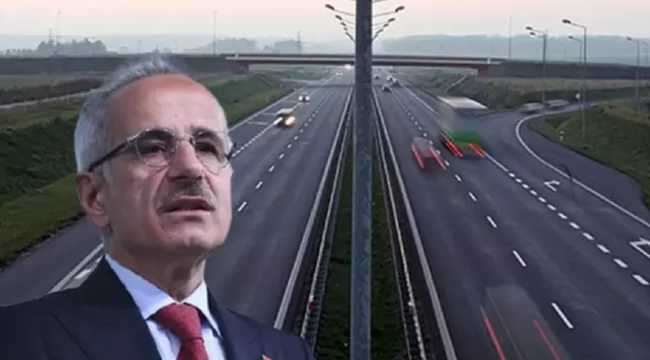
A New Era in Turkish Infrastructure
Transport and Infrastructure Minister Abdulkadir Uraloğlu has announced a groundbreaking project that will transform travel along Turkey’s southern coast. The Antalya–Alanya Highway, set to reduce a four-hour journey to just 36 minutes, represents not only a major engineering feat but also a bold step toward a connected, sustainable future.
Speaking at the Financial Closure Ceremony held at Ankara’s Museum of Painting and Sculpture, Minister Uraloğlu emphasized that Antalya and Alanya—two of Turkey’s most visited tourism hubs—deserve an infrastructure worthy of their global prominence. As tourism and population have surged, new transport investments have become essential, he said.

A Highway Built for the Future
The 122-kilometer project includes 84 kilometers of main route and 38 kilometers of connecting roads, featuring seven interchanges, five tunnels totaling 4,365 meters, and 16 viaducts stretching nearly 6 kilometers. It also includes four modern service facilities, designed to reflect the highest standards of engineering and environmental care.
With a design speed of 140 kilometers per hour, the new highway will drastically shorten travel times, eliminate summer traffic jams, and ensure a smooth connection between iconic destinations such as Kleopatra Beach, Kaleiçi, Aspendos, and Manavgat Waterfall. The project is expected to save 17.7 billion lira annually—16.9 billion from time savings and 800 million from fuel efficiency—while reducing carbon emissions by 47,000 tons per year.
A Boost for Tourism, Trade, and the Environment
Minister Uraloğlu highlighted that the project goes beyond transportation. It will strengthen regional tourism, boost agricultural trade, and improve local livelihoods. “This investment will bring prosperity to our farmers, traders, and the entire region,” he said.
Global Confidence in Turkey’s Economy
Constructed under the Public-Private Partnership (PPP) model, the project draws financing from 14 institutions, including banks from China, Saudi Arabia, Kuwait, Germany, and Greece. Of the total €2.43 billion investment, 30% comes from equity and 70% from bank loans. The financing round received more than twice the required demand, showing strong international confidence in Turkey’s economic stability.
Integration with a Continental Network
The Antalya–Alanya Highway will later connect with the planned Denizli–Burdur and Burdur–Antalya motorways, completing an uninterrupted expressway stretching from İzmir to the European border. Uraloğlu described the project as “strategically vital for Turkey’s role in the global logistics network.”
Employment and Local Development
According to General Director of Highways Ahmet Gülşen, the project will create around 9,000 jobs during construction, significantly easing local unemployment and stimulating regional growth. Limak Holding Chairperson Ebru Özdemir added that the initiative, backed by foreign capital, is a symbol of international trust in Turkey’s future. The Silk Road Fund, part of China’s Belt and Road Initiative, is participating for the first time in a Turkish project—marking another milestone in cross-border cooperation.
Once completed, the highway will not only transform travel across the Mediterranean but also serve as a catalyst for economic vitality, sustainability, and unity across Turkey’s regions.
#Turkey, #Antalya, #Alanya, #highway, #infrastructure, #transportation, #tourism, #logistics, #economy, #development, #construction, #engineering, #environment, #investment, #PPP, #Belt, #Road, #Europe, #Asia, #Mediterranean