
Blue Flags: The Symbol of Clean Beaches Giving Tourists Peace of Mind
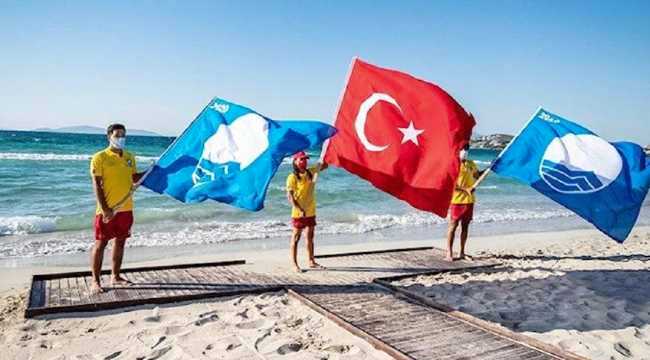
Turkey is becoming a global leader in beach cleanliness and water quality, and one symbol stands out more than any other – the Blue Flag. Here’s why it matters, and how it’s changing the way people choose their holiday destinations.
A Major Leap in Clean Coast Recognition
Back in 1993, Turkey had just one Blue Flag. Today, that number has soared to 577. According to Abdulkadir Ateş, Chairman of the Turkish Environmental Education Foundation (TÜRÇEV), this growth is a sign of how far the country has come in terms of clean water and coastal quality. He says the Blue Flag is more than just a symbol; it’s something that tourists actively look for when picking a beach or hotel.

Blue Flags Offer Tourists Confidence
Ateş explains that tourists want to feel confident about the water they’ll be swimming in, and the Blue Flag label provides exactly that. When people see that flag, they know the beach or marina meets international standards for cleanliness, safety, and environmental care. Research by TÜRÇEV even shows that hotels and destinations with Blue Flags are chosen more often by tourists and can command higher prices.
Closing the Gap with Top Tourism Countries
Although Spain and Greece are still ahead in total Blue Flags, Turkey has already surpassed countries like Italy and many others in the Mediterranean. Ateş believes Turkey has a strong chance to move into the global top two, and possibly take the number one spot in the near future. Cities like Antalya are already seen as leaders when it comes to clean, sustainable coastal tourism.
Education and Responsibility Start Early
TÜRÇEV isn’t just focused on awarding beaches. It also runs environmental education programs through schools, aiming to raise a new generation that understands the importance of protecting nature. Currently, 1,200 schools across Turkey are involved in these programs, starting from kindergarten all the way through middle school.
There’s also an educational side to the Blue Flag program itself. People living near Blue Flag beaches and tourists using them are included in awareness efforts, helping everyone take responsibility for keeping the coastlines clean.
Clean Seas Are a Shared Duty
While municipalities and tourism operators play a key role in meeting Blue Flag criteria, citizens also have a part to play. One of the most important requirements for a Blue Flag is a functioning sewage system and effective waste treatment. That means local cooperation is essential to maintaining these standards long-term.
A Flag That Makes a Difference
Ateş recalls how, back in 1992 during his time at the Ministry of Culture and Tourism, he first noticed the importance of Blue Flags while attending tourism fairs in Europe. Seeing how many countries highlighted the Blue Flag in their promotional materials, he realized it had real power to influence tourist decisions.
Today, that power is clear. The Blue Flag builds trust. When travelers see it, they know they’re making a safe, clean, and sustainable choice.
In a world where travelers are more conscious than ever about where they swim and stay, Turkey’s Blue Flag success is not just about numbers. It’s about earning global trust, one beach at a time.