Drinking too little water in extreme heat can lead to heart attacks
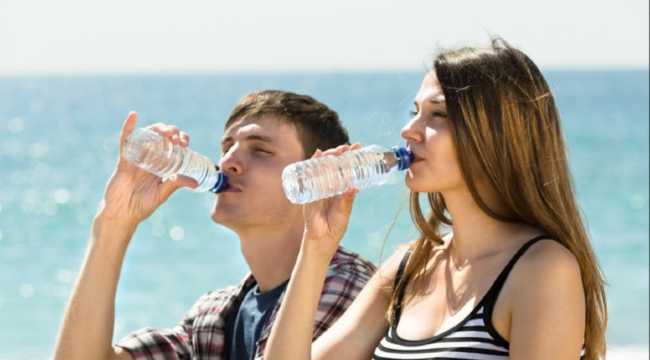
Emergency Medicine Specialist Prof. Dr. Özgür Karcıoğlu stated that extreme heat is more risky for babies and young children, the elderly, and those with chronic illnesses (especially related to the heart, lungs, and kidneys). Drinking too little water in extreme heat paves the way for many problems.
Increased water loss can lead to issues starting from heat exhaustion to heatstroke and even coma. Extreme heat affects everyone, but some groups are more seriously affected. The elderly (especially those over 75), babies and children under five (whose protective mechanisms against heat are not fully developed), pregnant women, disabled individuals, and those working outdoors are more quickly and severely impacted by the heat. In cities with intense urbanization and insufficient natural and green areas, temperatures rise even more, increasing the risk for city dwellers.

It is especially important to monitor whether the elderly are drinking enough water. Karcıoğlu reminded us to pay attention to dementia and care patients who cannot express themselves: “These individuals may not be able to indicate their thirst. If their caregivers or companions do not notice and give them only their usual amount of water, they may lose consciousness or even fall into a coma from dehydration. The same care should be given to babies.”
Water loss thickens the blood
Excessive water loss increases the risks of heart attacks and strokes. The human body has a certain amount of blood. While it is not lost to heat, dehydration thickens the blood. Circulation in the capillaries of the brain and heart becomes difficult. Karcıoğlu said, “If there is a problem like atherosclerosis, the likelihood of a heart attack increases. Similarly, if there is an aneurysm in the brain vessels, it can burst.”
Karcıoğlu emphasized that those who sweat excessively and those working outdoors (e.g., in fields) can lose 4-5 liters of water daily, adding: “Along with sweat, some minerals like sodium are also lost. For instance, the loss of sodium affects consciousness. However, giving salty ayran (a yogurt-based drink) immediately to those mildly affected by heat can unintentionally raise their blood pressure.”
Don’t dismiss the heat effects on the elderly
Who should seek medical help and when? According to Karcıoğlu, relatively young people who feel unwell from the heat but return to normal after sitting in the shade and drinking water do not need to go to the hospital. However, it is not right to dismiss the complaints of those with chronic illnesses or the elderly as just ‘heatstroke.’ They need to be checked at a hospital. Additionally, those who are unconscious or not responding reasonably to questions should be taken to the hospital without delay.
Besides insufficient water intake, environments lacking air and crowded places, exposure to sunlight, and inappropriate clothing can also trigger heat-related illnesses. Extreme heat can also cause headaches, dizziness, fatigue, cramps, nausea, vomiting, and diarrhea.
Do not wait to feel thirsty to drink water
To protect against the effects of extreme heat:
– Maintain a daily water intake of 2.5-3 liters. Drink plenty of fluids even if you do not feel thirsty.
– Never leave pets, babies, or children in the car, even for a short time.
– Avoid going outside and sunbathing between the hottest hours of 10:00 and 16:00 unless necessary.
– Choose clothes made of light-colored, loose, breathable fabrics.
– Avoid strenuous physical activities.
– Minimize the consumption of tea, coffee, carbonated, and acidic drinks.
– Avoid fatty, heavy meals, and overeating.
– Use sunscreen lotions.
– Wear hats, umbrellas, and sunglasses.
– Keep your body as cool as possible. Take frequent showers. Wash hands, neck, and face frequently throughout the day.
– Ventilate homes well and use blinds on windows.