
Finance Minister Şimşek: “Inflation is expected to decrease in 2025 for four main reasons”
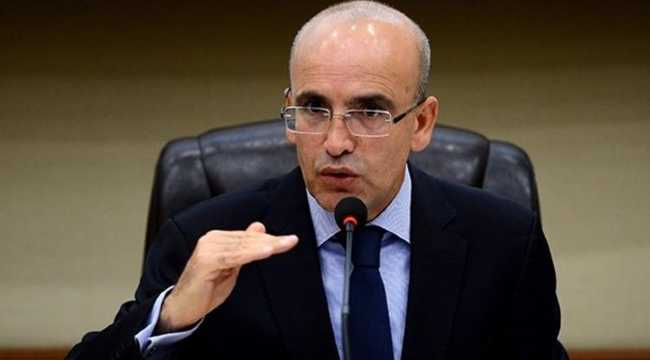
Finance and Treasury Minister Mehmet Şimşek explained that inflation is expected to decrease in 2025 for four main reasons: the delayed effect of monetary policy, fiscal policy forecasts, managed and administered prices, and structural reforms.
- Delayed Effect of Monetary Policy: Simsek stated that the contribution of monetary policy to the disinflation process will continue, and this effect will persist for 18 months. In other words, the impact of the Central Bank’s tight monetary policies will become more pronounced over time.
- Fiscal Policy: The goal for 2025 is to reduce the budget deficit from around 5% to 3%. This reduction will create a disinflationary effect by tightening fiscal policy. It emphasizes the role of budget discipline and fiscal policy in lowering inflation.
- Managed and Administered Prices: Simşek emphasized that there will be a sensitive approach to administered prices (such as energy, fuel, and tobacco products). In 2024, natural gas and electricity price hikes were kept in line with the Central Bank’s targets, and a similar approach will be followed in 2025. Excise tax (ÖTV) increases will be implemented in a way that does not jeopardize inflation targets.
- Structural Reforms: Supply-side policies aimed at reducing inflation will be prioritized. For example, efforts to increase agricultural supply through irrigation and food logistics projects will continue. Social housing projects will help reduce rental price pressures. Moreover, energy sector transformation will reduce external dependency, support the current account balance, and thus assist in controlling inflation.
Competition and Global Integration: Şimşek emphasized measures against sectoral monopolization. In a competitive environment, productivity increases, which also has a disinflationary effect. Additionally, updating the Customs Union with the European Union and reforming public procurement processes will contribute to the disinflation process.

Exit from KKM and Consumer Loans: Minister Şimşek stated that the process of exiting from the Currency Protected Deposits (KKM) system will continue, but without disrupting the markets. The KKM balance has significantly decreased, and the Central Bank is continuing to guide this process with various regulations. He also announced that consumer loans would not be subsidized, and instead, support will be provided to sectors like agriculture, exports, and small businesses.
In conclusion, a broad strategy is being adopted for reducing inflation in 2025, which includes monetary policy, fiscal policy, managed prices, and structural reforms, forming a multifaceted approach.