“From Conflict to Commerce: Turkish Companies Target Syria’s $1 Trillion Rebuild”
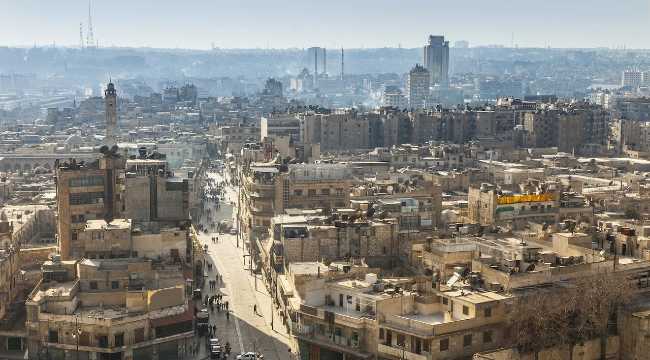
After years of isolation, Syria is beginning to open up again—and Turkish companies are paying close attention. With the U.S. lifting long-standing sanctions, the door is now ajar for foreign investment, and Turkish firms are keen to step in and take part in rebuilding their war-torn neighbor.
This shift, driven by a surprising policy turn from former U.S. President Donald Trump, is already starting to reshape the region’s economic landscape. For Turkish businesses, especially in construction, transport, and manufacturing, Syria represents a massive opportunity. Think of it as a nearly trillion-dollar rebuilding effort—and some Turkish firms are hoping to claim a significant slice of that.

Several Turkish companies are reported to be on the ground already, or making moves to enter the market. Some are aiming for as much as 25% of Syria’s reconstruction projects—a bold but not unrealistic target, considering the historical trade ties and geographical proximity.
That said, enthusiasm is being tempered by a fair share of caution. While the investment potential is huge, the risks are still very real. Security concerns haven’t gone away, and Syria’s financial and bureaucratic systems are far from stable. Still, there are signals of change: the country’s new president, Ahmed al-Sharaa, has been talking about reform—promising improvements in taxes, customs, and banking to help reassure international investors.
And there are signs that trade is already picking up. In just the first four months of 2025, Turkish exports to Syria jumped by 37%, with a big push in machinery and building materials. That spike suggests the demand is there—it just needs to be matched with the right infrastructure and financial backing.
Of course, rebuilding an entire nation isn’t something that happens overnight. While several donor countries have stepped up with funding promises, the actual financing picture is still murky. Turkey, for its part, is planning to contribute through energy support, especially natural gas infrastructure. But without a stable environment and transparent systems, businesses are understandably hesitant to go all in.
One area Turkish companies are particularly interested in is Syria’s low-cost labor force. It could become a real asset if used right. But again, security is key. There’s a strong push from business circles to create well-regulated, protected industrial zones where companies can operate without fear of disruption.
In short, Syria might be back on the map for Turkish investors—but it’s going to take a careful, coordinated approach to turn this massive opportunity into a lasting success.