Israel-Iran War on the Horizon: Stances of Key Countries
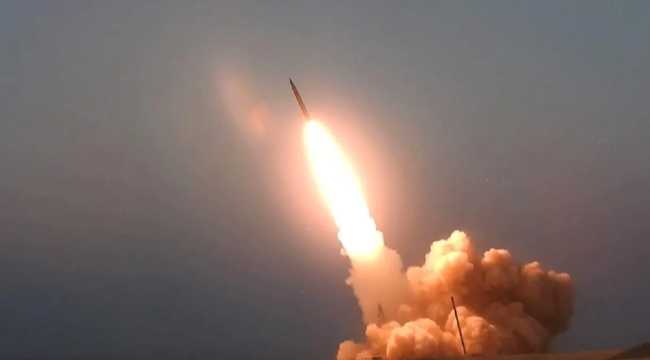
Rising tensions between Israel and Iran increase the risk of a large-scale war involving various regional and global actors. Recent assassinations by Israel targeting Iranian officials and leaders of Hamas and Hezbollah have escalated tensions. Iran has responded with missile attacks, indicating a shift in their military strategy.
Country Positions:

– TURKEY: As a NATO member with significant ties to both the West and Iran, Turkey may adopt a war-averse stance to maintain regional stability. However, recent tensions with Israel may push Turkey closer to opposing forces.
– Russia: Maintaining strategic relationships with both Israel and Iran, Russia likely aims for a balanced position, supporting Iran while allowing Israeli operations in Syria.
– China: Heavily reliant on Iranian oil, China may pursue diplomatic efforts to prevent conflict, providing economic support to Iran while maintaining a partnership with Israel.
– United States: With strong ties to Israel, any significant attack on Israel could prompt U.S. military involvement. Internal dynamics and upcoming elections may influence U.S. responses toward Iran.
– United Kingdom and EU: Likely to support Israel while seeking diplomatic resolutions, concerned about energy supply disruptions from regional conflict.
– Iran and Proxy Forces: Groups like Hezbollah and Hamas may actively engage in conflict against Israel, potentially escalating the situation.
– Israel: Views Iran’s nuclear program as a direct threat and may conduct extensive military operations against Iranian facilities and proxy forces to limit their influence.
The overall situation indicates that tensions in the Middle East are reaching a critical point, with the potential for broader conflict involving multiple nations.